Watch Hot Sex Videos in Full HD — Free & Ready Right Now
Feeling disconnected from your own desires or unsure how to explore intimacy alone can be frustrating, and that’s where sex videos step in as a private, judgment-free guide. By watching real people engage in explicit acts, you learn new techniques, positions, and rhythms that you can adapt to your own partnered or solo experiences. Simply search for a category that sparks your curiosity, press play, and observe how touch, pace, and communication unfold — then mirror what resonates with you to boost confidence and pleasure in real life. The benefit is immediate: a safe space to discover what genuinely arouses you, without pressure or performance anxiety.
Finding Exactly What You’re in the Mood For
Nailing finding exactly what you’re in the mood for with sex videos comes down to knowing your own filters before you start scrolling. Instead of typing a vague word, get specific: pick a body type, a pace, a setting, or even a camera angle that matches your current vibe—raw and messy, or slow and romantic. Use advanced search tags on your favorite site to combine two or three details, like “outdoor” plus “whispered dirty talk,” so you skip the misses. Save a short list of your go-to performers or studios, because their style stays consistent when your mood shifts. Finally, if a video doesn’t hook you within the first minute, close it immediately—your attention is the real filter, and finding exactly what you’re in the mood for means trusting that quick gut check every time.
Using Search Filters and Tags to Narrow Down Scenes
To locate a specific scene, precision filtering through tags and attributes is the fastest method. Rather than scrolling endless thumbnails, define your parameters first: select the performer, then refine by duration, video quality, or specific sexual act tags. The logical sequence is to start broad—choose a category—then apply exclusion filters to remove unwanted content, such as amateur or POV tags. Finally, sort results by relevance or upload date to surface the exact mood you seek. This layered approach eliminates visual noise and directly yields scenes matching your combined criteria, saving time and reducing frustration.
Understanding Categories vs. Niche Tags for Better Results
Categories function as broad, top-level filters—like ”lesbian” or ”threesome”—that define the core activity or orientation. Niche tags, however, operate as granular descriptors, pinpointing specific acts, body types, settings, or dynamics (e.g., ”foot fetish” or ”office roleplay”). For better results, treat categories as your initial sorting mechanism, then layer multiple niche tags to drill down to exact scenarios. This two-step process reduces irrelevant browsing dramatically. Strategic tag layering yields precise matches that a single category alone cannot achieve, because a category only signals the base premise, while tags convey the nuanced details that match your current mood.
Start with one obvious category, then add 2–3 niche tags that target the specific visual or emotional trigger.
Combine an action tag with a setting tag (e.g., ”edging” + ”locker room”) to narrow outcomes.
Avoid redundant tags that merely restate the category—use only those that add unique specificity.
Getting the Best Playback Quality and Streaming Experience
For the best playback, always pick the highest resolution your connection can handle without endless buffering—usually 1080p or 4K if your Wi-Fi is solid. Hardwire your device via Ethernet or move closer to the router, and close background apps that hog bandwidth. Use a modern browser like Chrome or Edge with hardware acceleration enabled, and disable extensions that interfere with video players. For mobile, download clips on fast Wi-Fi instead of streaming over cellular data. Pro tip: if the video stutters, lower the quality to 720p first—it fixes 90% of playback issues instantly. Q&A: What’s the fastest way to improve streaming? Pause for 10 seconds to let the buffer fill, then resume—this prevents mid-scene freezes. Stick to official sites with adaptive bitrate (ABR) tech, as they auto-adjust quality to your speed, giving you smooth, crisp sex mex playback without manual tweaks.
Choosing the Right Resolution and Bitrate for Your Device
Choosing the right resolution and bitrate for your device is the key to avoiding frustrating buffering or a blurry mess. A high-end 4K stream on a phone with a weak connection will stutter endlessly, while a low-bitrate 720p file on a large monitor looks blocky and washed out. Match the video’s resolution to your screen’s physical size and your internet speed; for mobile data, 480p–720p at a modest bitrate saves your quota without killing detail, whereas a wired 1080p or 4K setup can handle 8–15 Mbps. It is far better to watch a smooth 720p than a pixelated 1080p that constantly reloads. Always check the player’s auto-quality settings—manually locking a lower tier often yields a more stable, enjoyable session.
Use 360p–480p for slow connections or small phones to prevent rebuffering.
Select 1080p only if your device screen is large and your connection sustains at least 8 Mbps consistently.
Test the “auto” mode first, then manually raise bitrate if quality dips during action-heavy scenes.
For desktop monitors, prioritize bitrate over resolution—a crisp 720p at high bitrate beats a compressed 4K.
How to Avoid Buffering and Lag on Slow Connections
On a slow connection, buffering and lag on slow connections can be minimized by lowering the video resolution to 480p or 360p, which reduces data transfer per second. Pausing the video for 20–30 seconds before pressing play allows the player to preload a substantial buffer, especially if the site supports progressive download. Closing other tabs and background apps that consume bandwidth, such as cloud syncs or video calls, frees up speed for streaming. Using an Ethernet cable instead of Wi-Fi eliminates signal interference, while a wired connection to your router often stabilizes latency. *If the site offers a ”low data” or ”lite” mode, enabling it can forcibly cap quality and prioritize continuity over sharpness.*
Making the Most of Interactive and 4K Content
To truly make the most of interactive and 4K content, you must shift from passive viewing to active participation, because the technology rewards deliberate engagement. With 4K, ensure your device and bandwidth can handle the full resolution; otherwise, you lose the microscopic detail that makes skin texture and ambient lighting feel startlingly real—watch on a large, calibrated screen in a dark room. For interactive videos, commit fully to your choices, letting each decision guide the narrative without second-guessing, as hesitation breaks the immersive spell. Your physical responses are the primary interface, so mirror the on-screen energy to deepen neural synchronization. Pair adaptive accessories that sync with the footage to translate visual fidelity into tangible sensation. Yet, the real luxury lies in not rushing to the climax, but exploring the branching paths you’d normally skip. Replay scenes with different selections to uncover hidden angles, and adjust playback speed in 4K to savor every pore and movement—this turns a session into a crafted experience, not a passive runtime.
What Equipment You Need for VR and 360-Degree Clips
To capture immersive VR sex videos, you need a camera rig with dual fisheye lenses, ideally spaced 6.5 cm apart to mimic human pupils. For 360-degree clips, a standalone 8K camera like the Insta360 X4 or QooCam 3 Ultra handles both monoscopic and stereoscopic modes. Beyond the body, invest in a stabilizer or tripod—handheld shake ruins spatial immersion. Lighting must be even and diffused to avoid harsh shadows at the stitch lines, since you can’t hide seams in post. Audio requires an ambisonic microphone for positional sound. For editing, use VR-aware software like Mistika VR or Premiere Pro’s Immersive Video toolset. Your capture rig’s lens distance is non-negotiable; wrong interaxial spacing causes viewer eye strain.
Choose a stereoscopic 3D camera for true depth, not 2D 360.
Pair it with a gimbal or fixed mount to keep the horizon stable.
Use a synced dual-mic setup or ambisonic mic for directional audio.
Unlocking the Full Potential of High-Definition Visuals
To truly unlock the full potential of high-definition visuals in adult content, pair a 4K-capable display with a source file that genuinely outputs at that resolution, as upscaled streams degrade fine textures. Calibrate your screen’s brightness and contrast to preserve shadow detail in dimly lit scenes, preventing crushed blacks that obscure skin tones. For motion-heavy sequences, enable your device’s high refresh rate mode to minimize blur, and use a wired connection to maintain peak bitrate. Optimal visual clarity depends on matching playback settings to native resolution. Bitrate matters more than raw pixel count, so prioritize files with higher data rates over simple resolution tags.
Disable post-processing filters like noise reduction to retain grain and sharpness.
Set video player to ”original” aspect ratio to avoid stretching HD geometry.
Use hardware acceleration to ensure smooth decoding of 4K codecs.
Keeping Your Viewing Private and Secure
Keeping your viewing private and secure when watching sex videos starts with a dedicated browser profile or a private window, but that’s only step one. Always use a reputable VPN to mask your IP address, especially on public Wi-Fi, and enable “strict mode” on your browser to block trackers and third-party cookies. Avoid logging into any personal accounts on adult sites, and clear your cache and history manually after each session—or better, use a separate browser like Tor for this purpose. Your safest bet is to download videos via a secure connection and watch offline. Quick Q&A: “How do I stop my ISP from seeing what I watch?” — A VPN encrypts your traffic, so your provider only sees a scrambled data stream, not the actual content. Never share your screen or use voice assistants near your device during playback, as they can record snippets.
Using Incognito Mode and VPNs for Discreet Browsing
For discreet browsing of adult content, incognito mode and VPNs serve distinct, complementary functions. Incognito halts local history, cookies, and form data on your device, but it does not hide your activity from your ISP or network administrator. A VPN encrypts the entire connection, routing traffic through a remote server and masking your IP address, thereby obscuring both your identity and your viewing destination. Using both simultaneously provides a practical dual-layer approach: incognito cleans your local trail, while the VPN secures the data in transit. For optimal privacy, enable the VPN before opening any browser, and use incognito as a secondary measure for shared devices.
Q: Does incognito mode alone hide my adult video traffic from my internet provider?
A: No. Incognito only prevents local storage on your device; your internet provider still sees your traffic and destination. You need a VPN to encrypt that data and prevent ISP-level monitoring.
Clearing History and Managing Saved Bookmarks Safely
When exploring adult content, your browser’s history and saved bookmarks can become a digital footprint you didn’t intend to leave. Start by using private or incognito mode for sessions, but remember that this doesn’t hide your activity from your internet provider—only from local device viewers. After watching, manually clear your history and cookies via your browser’s settings, focusing on the specific time range of your visit. For bookmarks, avoid saving explicit links directly; instead, use a password-protected note app or a dedicated folder with a neutral name. Regularly audit your saved bookmarks and delete any that are outdated or risky, as stale links can lead to malware or phishing sites. Even in private mode, your saved passwords or auto-fill data may expose your activity if not separately cleared.
Q: How often should I clear history and bookmarks when viewing sex videos?
A: Ideally, clear your history immediately after each session, and review bookmarks weekly—delete any you no longer need or that seem suspicious. This minimizes accidental exposure and keeps your viewing habits truly private.
Curating Your Own Favorites and Playlists
Building a personal library of sex videos transforms aimless scrolling into a deliberate, satisfying experience. By curating your own favorites, you skip the repetitive search and instantly access content proven to match your mood. Most platforms offer a simple heart or bookmark icon; use it aggressively to tag videos that genuinely resonate, rather than merely passable ones. For playlists, organize by theme—like ”morning tease” or ”rough finish”—to create a narrative arc that builds arousal progressively. This isn’t passive watching; it’s active editing, where you discard the mediocre and amplify the exceptional. Over time, your curated collection becomes a precise reflex of your desires, turning every session into a fast, frictionless, and deeply personal encounter. Take control, prune ruthlessly, and let your playlists do the heavy lifting for you.
Building a Personal Library of Scenes You Love
Building a personal library of scenes you love transforms chaotic browsing into a curated ritual. Save only the moments that genuinely ignite you, using folders or tags for specific moods—like “slow build” or “intense eye contact”—rather than dumping everything into one endless list. Review your library monthly to prune stale picks, keeping it sharp and relevant to your evolving tastes. This practice sharpens your ability to identify what truly works for you, making every future search more efficient. Your personal scene library becomes a signature tool for instant, reliable satisfaction, bypassing algorithm guesswork entirely. Q: How do I avoid clutter in my scene library? A: Apply a strict rule—only save scenes you’d rewatch within a week, and immediately delete any that lose their spark after a second viewing.
Setting Up Smart Recommendations Based on Your Watched List
Setting up smart recommendations based on your watched list starts by enabling the platform’s history tracking, usually found in account settings. Once active, the algorithm analyzes your viewing duration and completion rate, not just clicks, to filter out accidental views. To refine results, manually rate or hide videos you disliked, which trains the system to prioritize similar scenes and performers. For a clearer sequence, first clear your old history, then watch several videos that represent your preferred niche, and finally check the ”suggested for you” row after 24 hours. This feedback loop ensures personalized video suggestions align closely with your taste, reducing irrelevant picks.
Extracting the Most Value from Free vs. Premium Offerings
To extract the most value from free sex videos, treat them as a discovery tool—clip through studio previews and amateur uploads to pinpoint niches, performers, and specific dynamics that genuinely get you off. Spend your money only on premium offerings that directly match those tastes, like 4K POV scenes from a particular studio or ad-free virtual reality downloads, since paying for broad catalogs wastes cash. The real trick is timing: use free content to vet a performer’s actual sexual chemistry and filming style, then buy a single, long-form premium video that delivers the full arc, not just the highlight reel. For subscriptions, commit only if the premium site offers downloadable files, so you can curate a personal library instead of renting access. A free clip’s value often lies in revealing exactly what you don’t want to pay for. Always check whether premium merely removes ads or adds exclusive scenes—if it’s just streamlining, skip it.
Comparing Ad-Supported Clips with Paid HD Exclusives
When weighing ad-supported clips versus paid HD exclusives, the core trade-off is convenience against fidelity. Free clips typically run 3–7 minutes, heavily compressed, with buffering interruptions and lower bitrates that blur fine detail during motion. Paid HD exclusives offer full-length scenes at 1080p or 4K, preserving skin texture and lighting gradients, plus stable streaming without mid-scene ad breaks. For practical evaluation, preview the free clip to gauge performers, chemistry, and camera angles—then decide if the extra immersion justifies the fee. If you only need a quick visual reference, the free tier suffices; for extended viewing or high-end display setups, the paid version consistently delivers sharper clarity and uninterrupted pacing.
Check free clips for watermark placement—if it covers the focal action, the paid version likely removes it.
Compare file lengths: a 5-minute ad-supported teaser usually ends before the main act, pushing you to the full HD cut.
Test audio sync on free versions; paid exclusives generally have corrected multi-track sound.
Use the clip’s resolution tag (e.g., 720p vs 1080p) as a direct benchmark before subscribing to the HD tier.
Testing Trial Periods and Bundles to Maximize Benefits
To truly unlock value, treat free trials as your research lab. Don’t just sign up; deliberately test the premium video bundles during the window, comparing streaming quality, scene variety, and download speeds against the ad-supported tier. Set calendar alerts to cancel before auto-renewal, then use the final days to sample niche categories you wouldn’t normally pick. After a trial ends, re-evaluate bundles—often, a three-month package beats monthly rates, especially if a site offers bonus content or VR access for longer commitments. Stack a new trial from a rival platform to pressure-match features, then decide which bundle actually fits your viewing habits.
Strategic trial scheduling and bundle comparison ensure you pay only for content you genuinely consume, maximizing every promotional window.
Affordable Ammo Without Compromising Quality: Smart Ways to Save on Bulk Ammunition
You’re at the range, sending round after round downrange without wincing at the cost—that’s the raw power of cheap ammo in your hands. It delivers reliable, functional firepower that lets you train harder, shoot more often, and build muscle memory without draining your wallet. Every box performs exactly as needed for practice, plinking, and honing your aim, so you get maximum trigger time for minimum cash outlay. Stop overpaying for brand names and start burning through targets with budget-friendly rounds that get the job done.
Why You Can Save Money on Ammunition Without Sacrificing Performance
Choosing cheap ammo doesn’t Ammunition for Sale mean settling for jams or keyholing. Budget-friendly rounds often use proven bullet profiles and consistent powder charges, just without premium packaging or match-grade sorting. For plinking, drills, and casual range work, bulk ammunition delivers reliable cycling and acceptable accuracy—often under two inches at 25 yards, which is plenty for defensive practice. The real savings come from buying steel-cased or remanufactured loads, where the cost per round drops by 30–50% while still meeting SAAMI pressure specs. As long as your firearm cycles the rounds cleanly and you’re not shooting beyond 50 yards, you’ll burn through more trigger time for the same budget. Performance isn’t about the price tag; it’s about hitting your target, and cheap ammo does that consistently enough to sharpen your skills without breaking the bank.
What “Budget-Friendly” Really Means in Terms of Ballistics and Reliability
Budget-friendly ammunition is not about accepting inferior ballistics, but about identifying where cost is https://specialtysportsandsupplyltd.com/ removed without altering the physical laws that govern projectile flight. A value round should still deliver a consistent muzzle velocity and a predictable ballistic coefficient, because these are functions of powder charge and bullet shape, not retail price. Reliability, in this context, means the primer ignites and the case extracts every single time, which is determined by manufacturing tolerances, not marketing prestige. You are paying for the absence of costly quality-control frills, not for a higher variance in pressure or a softer primer cup. The measure of value is consistent terminal performance per dollar, where your zero holds and your action cycles without hesitation, proving that savings come from packaging and volume, not from compromising the internal ballistics that keep you accurate and safe.
Budget-friendly in ballistics and reliability means unchanged velocity and flawless function—savings come from overhead, not from weaker performance.
Understanding the Trade-Offs: When Lower Cost Equals Lower Recoil or Accuracy
Understanding the trade-offs means recognizing that budget loads often alter your shooting experience in predictable ways. Reduced-velocity rounds, like light target loads, lower recoil but can shift your point of impact, demanding a zeroing session. Similarly, steel-case ammunition cycles with more felt impulse, yet its inconsistent powder charges may open up groups at distance. You gain savings, but you must adapt, not ignore, these ballistic quirks. 6.5×55 Swedish Ammo for SaleLower cost equals lower recoil or accuracy only when you fail to compensate for velocity spikes or bullet weight variance. Practical shooters accept a slightly wider group for practice and reserve premium rounds for competition. Q: Will cheap ammo ruin my accuracy? A: No, but expect a practical, not precision, standard—train for fundamentals, not benchrest records.
How to Spot High-Value Rounds That Outperform Their Price Tag
To spot high-value rounds that outperform their price tag, examine consistent bullet weight and case tension—cheap ammo with tight tolerances delivers better accuracy per dollar. Check for sealed primers and crimped cases, which reduce ignition variability and are common at budget prices. Compare muzzle velocity data from powder lots: rounds with stable ballistic coefficients, like flat-base bullets, often match premium performance. Inspect for uniform case necks and absence of dents—these flaws cause pressure spikes. Favor rounds with quality projectiles from obscure brands that reuse proven military or match components. Test five-shot groups at 50 yards; sub-MOA accuracy at half the cost confirms value.
Where to Find the Best Deals on Affordable Rounds for Practice and Plinking
For cheap ammo suited to practice and plinking, start with online bulk retailers like Target Sports USA or AmmoSeek, which aggregate live prices across dozens of vendors. Check manufacturer direct sales, especially CCI or Federal’s “range pack” lines, for per-round savings. Sign up for in-stock alerts on ammunition store sites, as budget 9mm and .22 LR sell out fast. Compare shipped costs per round, not sticker price, since free shipping thresholds often beat local gun shop markups. For plinking, buy “remanufactured” or “new manufacture” seconds from brands like LAX Ammo—these are functional, not match-grade, and cut costs significantly. Also check crate deals on steel-case imports (e.g., Wolf or Barnaul) for the lowest cost per trigger pull. Finally, join shooting forums or subreddits like r/gundeals—community-posted coupon codes frequently unlock temporary price drops unavailable elsewhere.
Buying in Bulk: How Case Quantities Drop Your Per-Round Cost
When you’re hunting for cheap ammo, the single biggest lever you can pull is buying by the case instead of the box. Retailers price case quantities with a steep discount because they move more units in one transaction, and that savings gets passed straight to you. A 1,000-round case of 9mm often drops the per-round cost by five to ten cents compared to picking up a few fifty-round boxes locally, which adds up to real cash over a long practice session. You’re also cutting shipping fees down to a per-round fraction, so the price you see is closer to what you actually pay. The key is to stock up when the price dips—check per-round math, not the total sticker, and you’ll stretch every dollar .32 Win Special Ammo for Sale further.
Online Retailers vs. Local Shops: Which One Gives You More Bang for Your Buck
When stretching every dollar on practice ammo, online retailers generally beat local shops on price, especially for bulk orders, but shipping fees and wait 6.8 SPC Ammo for Sale times can erase that edge for small purchases. Local shops win on immediacy and zero transfer costs, yet their overhead often inflates per-round prices by 10–20%. For plinking, buying 500+ rounds online typically yields the best cost-per-round, while local shops make sense for quick testing or grabbing a single box. Always compare final delivered price—including tax and shipping—against the local shelf price before committing.
Online: cheaper bulk rates, but factor in shipping and 3–7 day delivery.
Local: instant pickup, no shipping, but higher per-box markup.
Hybrid: use local for emergency needs, online for planned stockpiling.
Using Ammo Seekers and Price Alerts to Lock in the Lowest Rates
Ammo Seekers aggregate live inventory across dozens of retailers, letting you filter by caliber, grain, and price per round without visiting each site manually. To lock in the lowest rates, set up dynamic price alerts for your specific SKU; these trigger the moment a vendor drops below your target threshold, which is critical during rapid restocks. Prioritize alerts that include shipping costs in their calculation, since a low base price .338 Lapua Ammo for Sale can be negated by high S&H. When an alert fires, act quickly by comparing the listed price against historical lows on the tracker, then confirm stock at checkout. Use the following sequence: 1) Create an account and input your caliber and desired round count. 2) Adjust the per-round ceiling based on recent 30-day averages. 3) Enable email or push notifications with a one-hour response window. 4) Redeem the alert only if the total landed cost beats your baseline by at least five percent.
How to Pick the Right Low-Cost Caliber for Your Specific Firearm
Your grandfather’s rifle might demand .30-30, but if you’re feeding it weekly, that bite stings. Start by checking the barrel stamp and owner’s manual—never assume a .38 Special will accept .357 Magnum, though the reverse often holds true. For plinking, match the cheapest 6.5x57R Ammo for Sale available round to the firearm’s original chambering, then test a box of budget brass-cased ammo for cycling and accuracy before buying in bulk. Steel-case ammo can save you 20% but may jam in tight tolerances, so run 50 rounds first. Q: How do I know if a cheaper caliber fits my gun? A: Look for the caliber etched on the slide or barrel, then cross-reference that exact number with the ammo box—no substitutions, ever. A 9mm pistol won’t magically shoot .380, but a .38 Special revolver can shoot cheaper .38 Short Colt loads if listed in the manual. Stick to the printed spec, and your wallet—and the gun—stay happy.
Popular Cheap Calibers (9mm, .223, .22 LR) and Their Cost-Per-Shot Differences
When you’re stacking up the cheapest calibers to shoot, the big three are 9mm, .223, and .22 LR, and their cost-per-shot gaps are huge. A box of 50 9mm rounds typically runs $12–$15, putting you around 25–30 cents a pop. .223/5.56 is pricier, often $0.45–$0.60 per round, even for budget brands. Then there’s .22 LR—the undisputed king of cheap—usually $0.05–$0.08 per shot, so a brick of 500 costs less than a single box of .223. *That difference means .22 lets you practice trigger control for hours, while .223 drains your wallet in minutes.* For pure plinking, .22 wins; for defensive work, 9mm is the practical sweet spot; for long-range, .223 earns its higher price.
9mm: ~$0.25–$0.30/round, balances power and price for handguns.
.223: ~$0.45–$0.60/round, the costly rifle choice you’ll shoot less.
.22 LR: ~$0.05–$0.08/round, the ultimate volume-training round.
Matching Budget Rounds to Your Gun’s Barrel Twist and Action Type
Matching budget rounds to your firearm begins with your barrel’s twist rate, often stamped on the barrel (e.g., 1:7, 1:9, 1:12). A faster twist stabilizes longer, heavier bullets, while slower twists prefer lighter projectiles. For cheap ammo, this means choosing bulk 55-grain loads for a 1:12 twist, but sticking to 62-grain or heavier for a 1:7 twist to avoid keyholing and poor accuracy. Your action type also dictates pressure tolerance: bolt actions handle higher-pressure budget loads safely, whereas gas-operated semi-autos may cycle poorly with weak or inconsistent cheap rounds. Match bullet weight to twist rate first, then test a single box of budget ammo for function. If your action fails to lock back or feeds roughly, switch to a slightly hotter load within the same price tier.
Verify your twist rate (barrel stamp or manual).
Select bullet weight range for that twist.
Test-fire 20 rounds of budget ammo; inspect groups and cycling.
Adjust to a different weight or brand if misfeeds occur.
Avoiding Mismatched Ammo That Causes Jams or Excess Wear
Cheap ammo tempts you, but a mismatched load is a fast track to frustrating jams and accelerated wear on your firearm. Before you buy in bulk, verify the exact cartridge designation—a .380 ACP will not safely feed in a 9mm Luger pistol, no matter the bargain. Check the bullet weight and profile against your barrel’s twist rate; a lightweight round may keyhole, while a heavy flat-nose can snag on the feed ramp, battering the extractor. Stick to factory-spec pressure levels, and test one box for reliable ejection before committing to a case. **Avoiding mismatched ammo that causes jams or excess wear** means matching your gun’s stamped caliber and OAL to the box’s data.
Q: How do I prevent cheap ammo from causing jams?
A: Inspect each cartridge for length and rim profile—off-spec cases often fail to seat fully, leading to stovepipes. Also, clean your chamber before firing untested budget brands, as residue buildup magnifies feeding errors.
Practical Tips for Stretching Every Dollar Spent on Shooting Supplies
To stretch every dollar on shooting supplies, prioritize **cheap ammo** by buying in bulk during seasonal sales, which often cuts per-round costs by 15–20%. Pair budget-friendly cartridges with reloading components purchased wholesale, allowing you to reuse brass and save up to 40% versus factory loads. Focus on practice efficiency: shoot at shorter distances with reduced loads to conserve powder and primers, and use dry-fire drills for 70% of your training so live rounds are reserved for zeroing and malfunction drills. Compare cost-per-round metrics.32 ACP Ammo for Sale across online retailers, but factor in shipping fees—free shipping thresholds often justify adding a few extra boxes. Finally, clean and inspect your reloaded brass promptly after each session; damaged cases are wasted money, so cull them early to avoid ruining a batch of expensive primers.
How to Store Discounted Rounds Safely to Prevent Corrosion and Misfires
When you snag discounted rounds, those savings vanish if improper storage invites corrosion or misfires. First, keep every box sealed in its original packaging inside a plastic ammo can with a desiccant pack—silica gel absorbs the humidity that wreaks havoc on cheap brass and primers. Toss in a humidity indicator card to monitor conditions without opening the container. Store the cans off concrete floors in a cool, dry closet; temperature swings cause condensation inside the seal, so avoid attics or garages. Rotate your stash quarterly, firing the oldest boxes first—this prevents long-term primer degradation. Even budget ammunition performs flawlessly when you treat moisture as its only true enemy. Never oil the rounds themselves, but a light coat on the can’s gasket keeps the seal intact. Proper moisture control is the cheapest insurance against a dud trigger pull.
Sealed cans, desiccants, and cool, stable temps keep discounted rounds corrosion-free and firing true, protecting both your wallet and your safety.
Using Steel-Cased vs. Brass-Cased Rounds: What Saves You More Over Time
When stretching ammunition dollars, steel-cased rounds save you more upfront, often costing 20–30% less per box than brass. However, the true calculation is long-term. Brass is reloadable five to ten times, while steel cases are typically single-use, meaning over 1,000 rounds, brass’s initial cost shrinks dramatically. Conversely, if you never reload, steel wins every time—its cheaper propellant and 6.5x57mm Mauser Ammo for Sale lacquered finish reduce friction, yet it accelerates extractor wear and may void firearm warranties. For most budget shooters, steel-cased ammunition offers superior immediate savings if you prioritize volume over component recovery. Follow this logic:
Estimate your annual round count.
Factor brass resale value (if scrap-selling).
Compare replacement parts cost versus reloading equipment.
Steel saves cash now; brass saves only if you commit to reloading.
When to Skip Ultra-Cheap Options and Splurge on a Slightly Pricier Box
When accuracy or reliability trumps cost, skip the bargain bin and pay a few dollars more per box. Blister-packed promotional loads often exhibit inconsistent velocity, causing vertical stringing beyond 50 yards, so for zeroing a rifle or confirming a defensive load, the slightly pricier box with tighter lot tolerance is the logical investment. Likewise, if you are shooting a finicky gas-operated pistol, ultra-cheap rounds may fail to cycle, wasting range time and ammo on malfunctions. For competition, the cost of a failed stage outweighs the savings, making mid-tier ammunition the rational choice. Skip ultra-cheap options when your primary goal is verified performance rather than mere plinking volume.
Q: When should I skip ultra-cheap options and splurge on a slightly pricier box? A: Splurge when you are zeroing optics, testing a carry gun’s reliability, or shooting a match where a malfunction costs more than the price difference—typically any scenario demanding consistent ignition and shot-to-shot uniformity.
Common Questions Shooters Ask About Affordable Ammunition Choices
Shooters often ask whether cheap ammo will damage their firearm, and the answer hinges on checking for steel casings or bi-metal bullets, which can accelerate barrel wear. Another frequent question is if budget rounds are accurate enough for practice—generally, they are fine for plinking, but you should test a few boxes to confirm your gun cycles them reliably. Many also wonder about the difference between remanufactured and new cheap ammo; reman’s is usually safe but inspect cases for dents before loading. Finally, shooters ask about affordable ammunition choices for defensive use—most experts recommend carrying premium hollow points, while reserving cheap FMJ for range training only, since feeding and expansion reliability matter more than price in life-or-death scenarios.
Is Remanufactured or Reloaded Ammo Worth the Lower Price?
Remanufactured ammo—factory-grade rounds built from once-fired brass—usually delivers solid performance for noticeably less cash, but it’s not identical to virgin loads. Reloaded ammo, on the other hand, is hand-assembled by individuals or small shops, making it a true gamble on quality control. For range practice, **remanufactured ammo offers the best price-to-reliability balance**, provided you stick to reputable brands that pressure-test and inspect each case. Before buying, check the primer pocket depth and case length, since these details dictate whether rounds chamber smoothly. If you’re shooting a high-pressure caliber, skip reloads entirely; their inconsistent powder charges can cause painful extraction issues. Worth it? Only when you verify the source and demand consistent headstamps.
How Many Rounds Should You Buy at Once to Get the Best Price?
For the best price on cheap ammo, buying in bulk is the winning move. A single box of 20 rounds costs the most per shot, while a 500-round case often slashes the per-round price by 20–30%, making bulk ammunition purchases the clear value winner. The sweet spot is usually 1,000 rounds of your primary caliber, as many retailers offer free shipping and tiered discounts at that threshold. However, don’t overcommit—buy what you can realistically shoot within six months to .35 Remington Ammo for Sale avoid storage issues and rotating stock. If you’re testing a new gun or load, start with 100–200 rounds to confirm reliability, then stack deep.
What’s the Cheapest Way to Practice Accuracy Without Burning Through Cash?
The cheapest way to practice accuracy without burning through cash is to split your range time between dry-fire drills at home and low-recoil, bulk-priced ammunition like .22 LR for live fire. Dry fire builds trigger control and sight alignment for free, while cheap ammo preserves your muscle memory under actual recoil. Fire one focused magazine of affordable rounds per session, then spend the next ten minutes dry-firing the same movements. This forces precision without volume, so your cash stretches further. Reserve expensive defensive loads for zeroing only, and let budget rounds handle the repetitive work that builds accuracy.
Combine free dry-fire practice with minimal, cheap live rounds to master fundamentals without wasting money.
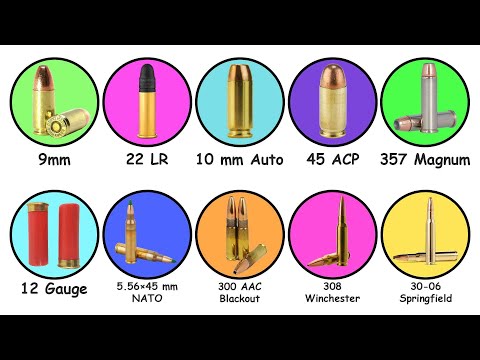
Your Complete Guide to Shotgun Ammo Types, Gauges, and Shell Selection
Shotgun ammo is a cluster of pellets, not a single bullet, which means one trigger pull can send dozens of projectiles downrange at once. Each shell packs a primer, powder, wad, and shot that work together in milliseconds to create a devastating, wide-spreading pattern. That spread is what 6mm ARC Ammo for Sale makes it incredibly forgiving for quick target acquisition, perfect for wing shooting or home defense where you need to hit fast without perfect aim. Just match the shot size to your game—bigger pellets for deer, smaller ones for birds—and you’re set to drop targets with authority.
What Actually Makes Shotgun Shells Different From Other Ammunition?
What actually makes shotgun shells different from other ammunition is their multi-projectile, single-casing design, where the payload—shot pellets, slug, or specialty load—is contained in a plastic hull with a crimp, not a metallic cartridge neck. Unlike rifle or pistol rounds that feed as one solid bullet in a brass case, a shotgun shell fires a spread of lead, steel, or tungsten through a smoothbore barrel, relying on shot cup and wad to protect the bore and shape the pattern. The shell’s length (2¾, 3, 3½ inch) and gauge (12, 20, .410) determine chamber fit, but the real difference is that you choose loads by shot size and velocity for target, bird, or deer, not by pressure curve alone.
You’re not aiming a single point—you’re steering a cloud of projectiles, so your choke and shell length matter more than bullet drop.
That’s why recoil, pattern density, and pellet energy vary wildly within the same box, something no metallic cartridge can replicate.
The Anatomy of a Shell: Hull, Primer, Powder, and Wad Explained
A shotgun shell’s anatomy is a four-part system, each component serving a distinct ballistic function. The hull is the plastic or brass base that holds everything together, shaped to extract cleanly. The primer, seated in the hull’s base, is a shock-sensitive compound that ignites on striker impact. The powder—a fast-burning propellant—creates high-pressure gas, and the wad transfers that gas energy to the shot column, sealing the bore and cushioning pellets from deformation. *The wad’s design—cup, cushion, or gas seal—determines pattern density more than powder charge.*
Hull length dictates chamber fit, not payload power.
Primer type (209 or 615) must match powder burn rate.
Wad petals release shot at muzzle, altering spread.
Why Gauge Numbers Are Counterintuitive (12 vs. 20 vs. .410)
The confusion stems from gauge being a measure of bore diameter derived from lead balls, not a direct caliber. A 12-gauge means twelve lead spheres of that diameter equal one pound, making it larger than a 20-gauge, where twenty spheres fit the pound. Consequently, the lower gauge 9x23mm Winchester Ammo for Sale number actually indicates a wider, more powerful shell. The .410, however, breaks the pattern entirely—it is a true caliber measurement in inches, not a gauge, and is far smaller than either. This means a .410 is not “forty-one gauge,” but a distinct system that often performs like a very light 28-gauge. So, when comparing 12 to 20 to .410, remember the number’s origin dictates size: smaller gauge number equals bigger payload, while the .410 sits outside that logic entirely.
Shotshell Lengths: 2 ¾, 3, and 3 ½ Inch Chambers
When you’re picking shotshells, the chamber length printed on your barrel—like 2 ¾, 3, or 3 ½ inches—is the maximum shell you can safely fire. A 2 ¾-inch chamber handles standard field loads, while 3-inch chambers give you extra room for heavier magnum shot, and 3 ½-inch chambers are the big-game waterfowl and turkey slayers. You can always shoot a shorter shell in a longer chamber, but never force a longer shell into a shorter chamber. Matching the shell length to your chamber is the non-negotiable rule, so check the barrel stamp before buying. .223 Ammo for Sale Here’s the practical order of operations:
Read your barrel’s chamber marking.
Buy shells that are the same length or shorter.
Test that the shell drops in and the action closes freely.
Buckshot vs. Birdshot vs. Slugs: Which Payload Fits Your Task?
Choosing between buckshot, birdshot, and slugs hinges entirely on your target and range. Birdshot, with its small pellets, is ideal for fast-moving birds and clay targets at close to moderate distances, but it lacks penetration for larger game or defense. Buckshot fires larger pellets, delivering multiple wound channels and formidable stopping power at short ranges, making it a top choice for home defense and deer hunting in thick cover. Slugs are single, heavy projectiles that offer deep penetration and flat trajectories, excelling for large game at longer ranges where shot patterns would spread too thin. For a 20-yard indoor defense scenario, which payload retains the most energy through drywall while minimizing over-penetration risk? Generally, a standard 12-gauge 00 buckshot load is preferred over slugs for this role, as its multiple pellets disperse energy across a wider area, reducing the chance of a single round passing clean through multiple walls.
Birdshot Sizes (#8, #9) for Small Game and Clay Targets
For small game and clay targets, **#8 and #9 birdshot sizes** deliver dense patterns that break brittle targets and dispatch fast-moving birds cleanly. The finer #9 shot excels at close-range quail and skeet, where its 580-plus pellets per ounce create a wall of lead that shreds clay fragments. Conversely, #8 offers slightly heavier pellets, retaining enough energy for 30-yard pheasant flushes or trap targets without over-penetrating. *The trade-off is binary: choose #9 for speed and density, #8 for a touch more knockdown power at extended range.* Both sizes minimize pelt damage on rabbits and grouse, making them ideal for table fare.
Q: What is the key difference between #8 and #9 birdshot for clay shooting? A: #9 breaks targets closer to the muzzle with a denser cloud, while #8 sustains pattern integrity further downrange, making it more forgiving on longer station hold points. For mixed small-game hunts, #8 is the pragmatic all-rounder, but #9 lets you shoot faster on close, curling targets without shredding meat.
Buckshot Sizes (00, 000, #4) for Self-Defense and Large Game
For self-defense, 00 buckshot remains the benchmark because its nine .33-inch pellets deliver deep penetration on human threats while still patterning tightly at close range. Step up to 000 buckshot if you need heavier, .36-inch pellets for barrier penetration or larger-bodied predators like bear, though recoil and overpenetration risks rise sharply. Drop to #4 buckshot (twenty-seven .24-inch pellets) when you prioritize reduced collateral risk indoors, yet it still reliably drops whitetail deer at modest distances. For large game beyond fifty yards, however, both 00 and 000 lose energy quickly—making them a poor substitute for slugs. Choose 00 for general defense, 000 for maximum stopping power, and #4 for home defense with less wall penetration.
00 balances defense and game use, 000 maximizes knockdown for heavy threats, and #4 minimizes overpenetration—match buckshot size to your risk scenario.
Rifled Slugs and Sabot Slugs for Deer Hunting at Distance
For deer hunting at distance, rifled slugs and sabot slugs demand a deliberate choice, as they perform through opposite barrel systems. A rifled slug, designed for smoothbore barrels, delivers adequate accuracy to roughly 75 yards, but its spin is limited, causing trajectory drop and drift in wind. To push ethical kills past 100 yards, switch to a sabot slug fired from a rifled slug barrel. The plastic sabot engages the rifling, spinning the smaller-diameter projectile for a flatter, tighter trajectory, extending your effective range to 150 yards or more. Pair sabots with a cantilever-scope setup, and you convert a shotgun into a practical 200-yard deer rifle. For maximum downrange energy and precision, choose sabots; for brushy, short-range shots, stick with rifled slugs.
Q: Which sabot slug is best for 150-yard deer shots?
A: Choose a heavy, bonded-core sabot like a 1-ounce, 12-gauge load from Hornady or Federal; they 6mm Creedmoor Ammo for Sale retain velocity and expand reliably at those extended distances.
How Shot Size, Velocity, and Payload Weight Affect Recoil and Pattern
Shot size, velocity, and payload weight form the core equation of shotgun ammo performance. Heavier payloads—more ounces of shot—directly increase felt recoil, while lighter loads keep the buttstock planted firmly against your shoulder. Velocity amplifies this: faster loads generate sharper, snappier kick, but they also tighten the effective pattern by reducing the time shot string has to spread before reaching the target. Smaller shot sizes, like #7.5 or #8, deliver dense patterns ideal for close-range birds, but they shed energy quickly. Conversely, larger shot (BB, #4) punches deeper and holds a tighter core pattern at longer ranges, yet each pellet’s weight increases recoil slightly. For practical use, balance payload and velocity—a 1-1/8 oz load at 1,200 fps offers a manageable kick with solid pattern density, while 1-1/4 oz at 1,300 fps thumps hard but flattens long-range targets. Always test your shotgun’s choke to match your chosen shot size and velocity for the tightest, most consistent pattern.
Understanding Feet per Second (FPS) and What It Means for Your Shoulder
Understanding **feet per second (FPS) and what it means for your shoulder** starts with recoil impulse—the sharpness of the kick, not just its total force. A 1,200 FPS load delivers a quick, snappy punch, while dropping to 1,000 FPS stretches that same energy over a longer push, which many shooters find more manageable during clay or slug sessions. However, the difference becomes critical when you’re firing 50 rounds in an afternoon, as cumulative strain can turn a mild load into genuine soreness. Slower FPS also reduces muzzle rise, helping you stay on target for follow-up shots. For trap or skeet, sacrificing 150 FPS for comfort often improves consistency.
Lower FPS means a softer, more controllable push; higher FPS trades shoulder comfort for flatter trajectory and harder hits.
Choke Tubes and How They Shape Your Pattern at 20, 30, and 40 Yards
Your choke tube is the final architect of your shot string, dictating pattern density at 20, 30, and 40 yards more dramatically than any velocity or payload change. At 20 yards, a cylinder bore throws a wide, forgiving cloud—ideal for close flushes—while a modified choke tightens that same payload into a turkey-killing core. Push to 30 yards, and improved cylinder begins to open up with visible holes, whereas full choke still holds a devastating, dense circle. At 40 yards, only a full or extra-full choke keeps the pattern lethal; lighter constrictions turn your scattergun into a frustrating wounder. Choose your tube based on your actual engagement distance, not guesswork.
Distance
Open Choke (Cyl/IC)
Modified
Full/Extra-Full
20 yards
Wide, even, forgiving
Medium, dense center
Tight, effective, small margin for error
30 yards
Patchy, starting to fail
Consistent, reliable kill zone
Very tight, excellent density
40 yards
Unreliable, sparse
Marginal, needs perfect aim
Still lethal, extended reach
Heavy Payloads (1 ⅛ oz vs. 1 ¼ oz) and Their Trade-Offs
Choosing between 1 ⅛ oz and 1 ¼ oz heavy payloads directly shifts your recoil and pattern density. The 1 ¼ oz load pushes more shot, increasing felt recoil and requiring a sturdier mount to maintain a smooth swing; in return, it delivers a denser pattern at longer ranges, beneficial for tall birds or tight chokes. Conversely, the 1 ⅛ oz load reduces recoil, allowing quicker follow-up shots and less fatigue during long sessions, but its pattern thins faster beyond 35 yards. The trade-off is simple: the heavier load buys range and edge density at the cost of shooter comfort and gun handling speed.
1 ¼ oz increases perceived recoil by roughly 10-15% over 1 ⅛ oz at identical velocity.
1 ⅛ oz preserves stock fit and cheek weld better under rapid firing.
1 ¼ oz maintains lethal pattern density in modified chokes past 40 yards.
1 ⅛ oz allows using lighter shot charges for skeet and early-season upland.
Choosing the Right Shell for Home Defense: Overpenetration and Stopping Power
Selecting shotgun ammo for home defense demands balancing stopping power against overpenetration. Standard 00 buckshot delivers formidable stopping power but poses a severe risk of penetrating drywall and exterior walls, endangering family and neighbors. #4 buckshot offers a practical compromise: its .260 Remington Ammo for Sale smaller pellets retain sufficient energy for immediate threat neutralization while significantly reducing penetration depth compared to 00. Birdshot is inadvisable for defense; its inadequate stopping power may fail to incapacitate an aggressor. Frangible slugs are another option, designed to break apart upon hitting hard surfaces, but they can underpenetrate heavy clothing. For most homes, a reduced-recoil, low-velocity 00 load or premium #4 buckshot is optimal, as shot placement remains far more critical than raw pellet size for a decisive stop. Always pattern your chosen shell to verify cyclicity and impact point.
Why #4 Buck Might Be Smarter Than 00 Buck Indoors
Inside a home, #4 buck’s reduced penetration depth makes it a smarter choice than 00 buck because it delivers adequate tissue damage while drastically lowering the risk of exiting through walls into occupied rooms. At typical indoor distances of 3–10 yards, #4 buck (typically .24″ pellets) still carries enough energy to penetrate 12–14 inches of ballistic gel—enough to reach vital organs—while 00 buck ( .33″ pellets) routinely penetrates 16–20+ inches, often exiting exterior walls. The smaller pellets also fragment less predictably through drywall, but their increased count (27 vs. 9) creates a denser pattern, meaning you’re more likely to land multiple hits on a narrow threat without the overpenetration liability. For a tight hallway or bedroom, that trade-off is tactically superior.
Q: Is #4 buck really more effective than 00 buck for stopping an intruder indoors? A: Yes, in most practical scenarios—because at close range, #4 buck’s 27 pellets create a wider, more forgiving shot pattern, and its reduced penetration .243 Ammo for Sale still meets the FBI’s 12-inch minimum, while lowering the chance of harming someone behind the target. 00 buck’s extra power is wasted indoors and becomes a hazard.
Low-Recoil and Reduced-Recoil Loads for Faster Follow-Up Shots
Low-recoil and reduced-recoil loads are a tactical necessity for home defense, not a concession to sensitivity. By lowering felt kick, these rounds allow you to keep the shotgun’s muzzle on target and cycle the pump action without yanking the barrel off-line. You’ll shave critical fractions of a second off your follow-up shot, turning a sluggish, punishing gun into a rapid, controlled platform. Reduced recoil also curbs the instinctive flinch that ruins accuracy under stress, so your second and third rounds land exactly where the first did. In a hallway fight, that speed and precision beat raw power every time.
Short Shells (1 ¾ Inch) for Magazine Capacity and Control
Short shells, measuring 1 ¾ inches, directly maximize your shotgun’s magazine capacity, often allowing you to carry two additional rounds in a standard tube compared to 2 ¾-inch loads. This increased round count is their primary tactical advantage for home defense, reducing the urgency to reload under stress. However, their shorter length frequently demands a dedicated carrier or adapter, as standard shell stops may not reliably feed them, causing a jam precisely when control matters most. This slight reduction bulk ammo for sale in recoil also aids faster follow-up shots, but you must verify your specific shotgun cycles these minis flawlessly.
Expect capacity to increase by 2–3 rounds in a typical 5-round magazine tube.
Reliability hinges on using a purpose-built mag follower or adapter for consistent feeding.
Reduced recoil impulse improves shot-to-shot control and .22-250 Ammo for Sale muzzle discipline in tight spaces.
Pattern spread is often tighter at close range, but verify performance 7.5×55 Swiss Ammo for Sale at 10 yards or less.
Common Pitfalls and Practical Tips for Storing and Buying Shells
Don’t just grab any box off the shelf—shells have quirks. Check the crimp before buying, especially on budget packs; a cracked or loose star crimp means powder can leak and velocity drops. For storage, keep ammo out of hot car trunks and direct sun, as heat degrades the hull plastic and can soften primers over seasons. Avoid storing loose shells rattling in a bucket—use the original boxes or a dedicated ammo can with desiccant, since humidity corrodes brass bases and makes extraction sticky. Buy only what you’ll shoot within a year or two, because shelf-aged shells, especially low-brass target loads, can develop weak ignition. Also, never mix different shot weights in the same magazine tube during a hunt; it changes point of impact without warning. That “great deal” on unknown reloads is rarely worth the jam risk in your action.
How Long Does Ammo Last? Shelf Life and Storage Conditions
Unopened shotgun ammo, stored properly, can last decades—often 30 to 50 years—but shelf life depends entirely on storage conditions. Heat, humidity, and rapid temperature swings degrade propellants and primers faster than time alone. Keep shells below 75°F and under 50% relative humidity; avoid attics, 7.62 Tokarev Ammo for Sale garages, or car trunks where summer heat spikes accelerate powder breakdown and cause corrosion on the brass or plastic hull. For long-term storage, follow this sequence:
Seal shells in airtight, ammo-specific containers with desiccant packs.
Store them off concrete floors to prevent moisture wicking.
Rotate stock annually—fire the oldest rounds first to verify reliability.
If primers show green corrosion or hulls feel brittle or swollen, discard them; such rounds risk misfires or pressure inconsistencies.
Buying in Bulk vs. Boxes: What to Check for Crimp and Wad Defects
When buying in bulk, you forfeit the per-shell inspection afforded by boxes, so crimp and wad defect checks become critical. Bulk flats often hide crushed star crimps or tilted wads beneath loose packaging; inspect the exposed primers and case mouths—a missing or asymmetric crimp indicates powder leakage or pressure inconsistency. In boxes, pull a few shells and feel the wad’s seating: a flush, firm wad is correct, while a recessed or protruding wad signals a setback risk during feeding. For bulk, randomly sample ten shells per case, checking for crimp cracks or wad deformation; reject any lot with more than one defect. Boxed shells also allow you to verify the crimp’s star pattern is uniform—six clean petals, no jagged edges—whereas bulk bags conceal this until you’re at the range. Prioritize visual and tactile checks: a wad that rattles inside the hull, even in boxes, suggests poor crimp tension and unreliable ignition.
Matching Your Shell to Your Shotgun’s Action (Pump, Semi-Auto, Break-Action)
For **pump-action shotguns**, shell length and crimp style are critical, as a rolled crimp or overly long shell can bind in the tubular magazine, causing feed failures. Semi-autos demand a minimum power level to reliably cycle the bolt; light target loads may short-stroke the action, so always test the specific ammo you intend to use. Break-actions are the most forgiving, accepting a wider range of pressures and lengths, but still require properly seated shells in the chamber to avoid hinge issues. For pumps and semis, stick to factory crimps—star or fold—rather than hand-rolled ones. The same shell that feeds flawlessly in one semi-auto can jam another, so verify compatibility before bulk buying. Check your manual’s stated maximum shell length and minimum velocity before purchasing.
What Is a Drop In Trigger and Why It Transforms Your Shooting Experience
Have you ever struggled with a trigger that just won’t cooperate, no matter how carefully you pull it? A drop-in trigger is a pre-assembled, self-contained unit that replaces your firearm’s factory fire control parts, letting you swap out the whole mechanism in minutes without any fitting or gunsmithing. It works by dropping directly into the receiver as a single module, which means you get a consistent, crisp pull with minimal take-up and a clean reset every time—right out of the box. To use it, simply clear your firearm, remove the old trigger and hammer assembly, install the drop-in unit, and function-check before heading to the range.
What Exactly Is a Drop-In Trigger and How Does It Differ From a Standard One?
A drop-in trigger is a pre-assembled trigger system, usually a single unit containing the housing, sear, springs, and hammer, that you literally drop into your lower receiver without needing to tune or shim parts. A standard trigger, by contrast, is a collection of loose components you must install piece by piece, then hand-fit by adjusting spring tension and sear engagement. The big difference comes down to installation: a drop-in unit swaps in minutes using only pins, while a standard one demands patience, tiny punches, and trial-and-error to get right. Functionally, drop-ins often offer a crisper, lighter pull out of the box because they’re manufactured to tight tolerances, whereas a standard trigger’s feel depends heavily on your fitting skill and aftermarket springs.
Understanding the Self-Contained Fire Control Unit Design
Understanding the self-contained fire control unit design begins with recognizing that the entire trigger mechanism—sear, hammer catch, disconnect, and springs—is pre-assembled within a single chassis. Unlike standard triggers that use the receiver’s pin holes as structural anchors for individual parts, a drop-in unit’s self-contained fire control maintains consistent geometry because the housing controls timing and engagement angles. This eliminates variations caused by receiver tolerances. The sear surface is typically EDM-cut to a specific angle, and the trigger bow’s travel is limited by integral over-travel stops, not grip-frame slots. Function testing happens at the factory, so the unit arrives with verified hammer fall and reset distances.
Integral frt trigger sear-to-hammer engagement eliminates receiver-slop-induced creep.
Captive springs and pins prevent loss of parts during installation.
Adjustable pre-travel and over-travel screws are housed within the unit, not the frame.
Drop-safe properties depend on the unit’s internal disconnector geometry, not external safeties.
Drop-In vs. Gunsmith-Fitted: Why No Filing or Stoning Is Required
A drop-in trigger is machined to a standardized tolerance envelope, so its sear engagement, hammer strut, and housing dimensions match factory specifications within thousandths of an inch. Consequently, no filing or stoning is required—the trigger cassette drops into the existing frame or receiver without fitting. Gunsmith-fitted triggers, by contrast, start with oversized contact surfaces that must be hand-polished or filed to achieve a specific pull weight and creep-free break. That process risks altering hardening or sear geometry. With a drop-in, you simply replace the stock unit, verify function with a snap cap, and fire—no metal removal, no trial-and-error stoning, and no risk of over-removing material that ruins the part.
Drop-in triggers eliminate all hand-fitting because their critical surfaces are pre-machined to spec; gunsmith-fitted triggers demand filing and stoning to correct oversized interfaces.
How Does a Drop-In Trigger Mechanism Work With Your Firearm’s Action?
A drop-in trigger mechanism replaces the factory trigger group as a single, pre-assembled unit, interfacing directly with your firearm’s action via the receiver’s existing pin holes or cross-pins. When you pull the trigger, the internal sear releases the hammer or striker, but the drop-in design works by having a precisely timed, self-contained geometry that matches the action’s bolt travel and lock time. Unlike a standard trigger requiring hand-fitting of parts, the drop-in unit’s hammer, sear, and springs are pre-tensioned and aligned, so the action’s cycling—whether in a blowback AR-15 or a rotating bolt pistol—engages the trigger’s reset mechanism without additional adjustment. The key is that the trigger shoe’s pivot and the sear engagement point sit at a fixed distance, dictated by the cassette’s housing, ensuring consistent trigger pull weight and reset after each shot. Q: Does the drop-in trigger affect bolt carrier speed? A: No, it only changes the release point, not the action’s cycling timing. The unit’s hammer spring pressure, however, must be compatible with your action’s firing pin inertia, or you may get light strikes—so verify that the drop-in’s spring rating matches your bolt’s mass.
Breaking Down the Hammer, Sear, and Disconnector Interface
The drop-in trigger’s hammer, sear, and disconnector interface operates as a closed-loop system where the sear’s angled ledge must engage the hammer’s corresponding notch with a precise overlap—typically 0.020 inches—to prevent slip. The disconnector, riding on the trigger’s rearward travel, lifts the sear out of engagement only after the hammer falls, ensuring semi-auto function. If the disconnector’s cam face is too short, the hammer follows the bolt carrier; if too long, trigger reset becomes mushy. The hammer’s spring tension and sear’s surface finish dictate pull weight consistency. Any burr on the sear’s release angle creates a gritty wall, while the disconnector’s vertical clearance against the hammer’s tail must be shimmed tight to avoid doubling.
Why the Trigger Housing Is Pre-Assembled and Pre-Tuned at the Factory
The trigger housing is pre-assembled at the factory to ensure **absolute geometric precision** between the sear, frt 15l3 trigger hammer, and trigger bar. Machining tolerances are locked into a rigid cassette, eliminating the variable of an end-user aligning loose parts. Pre-tuning happens because springs and engagement surfaces are polished and set to a specific pull weight using calibrated fixtures. This guarantees the drop-in trigger’s sear reset and overtravel are optimized before installation, so you don’t have to troubleshoot or modify components. The factory environment controls lubrication and staking, which prevents creep or binding that often occurs with hand-fitted triggers. You get a consistent trigger pull the moment you swap the unit, without risk of an unsafe sear engagement.
Factory pre-assembly and pre-tuning remove guesswork, delivering a safe, consistent pull weight and crisp break straight out of the box.
Understanding Pull Weight, Creep, and Overtravel in a Pre-Set Unit
In a pre-set drop-in trigger, pull weight, creep, and overtravel are independently tuned parameters that define the entire firing cycle. The pre-set sear geometry determines initial pull weight, typically lighter than factory triggers, while creep manifests as the measurable travel between sear release and hammer fall—a pre-set unit minimizes this via hardened, precisely angled engagement surfaces. Overtravel, the distance the trigger moves after the shot breaks, is controlled by an integral stop screw that directly impacts follow-through accuracy. Adjusting these three variables requires a logical sequence: set creep first by reducing sear engagement, then lock overtravel to a minimal but safe clearance, and finally confirm pull weight remains consistent—altering one inevitably shifts the others, demanding iterative testing m249s binary trigger for a balanced, repeatable break.
What Steps Do You Follow to Install a Drop-In Trigger Safely and Correctly?
First, clear the firearm and triple-check the chamber. To install a drop-in trigger safely, field-strip the gun per the manual, then remove the factory trigger assembly. Compare the new drop-in trigger’s pins and housing to the original to confirm fit before inserting it. Carefully align the trigger unit with the frame’s pin holes, then press it into place without forcing it—if it resists, re-check for any burrs or leftover debris. Secure it with the OEM pins, ensuring they seat flush. Finally, function-check by cycling the action and dry-firing into a safe backstop. For a drop-in trigger installation, never mix parts from different brands, and always torque screws to spec if required. Correct trigger installation means zero rattling and a crisp reset when you test it.
Checking Your Firearm’s Compatibility Before You Start
Before touching a screwdriver, confirm your firearm’s compatibility with a drop-in trigger—not all frames or slides accept the same geometry. Check the manufacturer’s spec sheet against your exact model and generation, since a subtle change in sear housing or trigger bar shape can prevent full reset. Test the trigger’s hammer or striker clearance by dry-cycling with the slide off, and verify that the trigger shoe’s travel does not bind against your grip safety or magazine release. Also, inspect your frame’s pin holes for ovaling—worn holes shift alignment, causing a new drop-in to misfire or double. Compatibility verification is non-negotiable; a snug fit today prevents catastrophic failure at the range.
Always match your exact make, model, and generation to the drop-in trigger’s fitment chart, then dry-cycle to confirm sear engagement and clearance before installation.
Simple Field-Strip and Pin Removal Process for Quick Swap
For a **quick swap drop-in trigger**, begin by ensuring the firearm is unloaded, then field-strip it to expose the fire control pocket. Drive out the rear and front pin using a punch, applying steady pressure to avoid marring the receiver. Once the pins are out, lift the OEM trigger pack straight up, taking care not to lose the hammer spring. To install the new unit, align its locating tabs with the pocket’s notches, then press the pins back through—they should seat with a firm, positive click. Cycle the action once to verify reset before reassembling the slide. Pin removal for drop-in trigger swaps takes under two minutes with the right punch. wide open trigger
Q: Do I need to remove the grip module or safety during field-strip for alamo 15 trigger a pin swap?
No—only the slide and pins are removed; the trigger housing stays intact, preserving your grip and safety settings.
Verifying Function Check and Reset Reliability After Installation
After installing a drop-in trigger, verifying function check and reset reliability begins with a clear, unloaded firearm. First, cycle the slide manually to confirm the trigger resets with an audible and tactile click; if it hangs or feels spongy, re-seat the unit. Next, perform a trigger reset test by holding the trigger to the rear, racking the slide, and slowly releasing—the sear must re-engage without drag. Then, test the safety lever or blade, ensuring it blocks the trigger until intentionally pressed. Finally, dry-fire at least ten times, checking that the striker or hammer falls consistently and the trigger returns fully forward. Any failure in reset or function means immediate removal and reinstallation, as a partial reset can cause double-fire or slam-fire conditions.
What Performance Benefits Will You Notice After Switching to This Upgrade?
Switching to a drop-in trigger delivers the most immediate performance benefit in **reset speed and pull consistency**. You will notice a shorter, more tactile reset that lets you keep your finger in contact with the shoe—enabling faster follow-up shots without breaking your grip. The pre-travel and overtravel are minimized, so your point of aim barely shifts between rounds. The crisp, predictable break eliminates the gritty, stacking feel of factory triggers, which translates to tighter groups at speed.
Your splits will drop noticeably because the trigger’s positive reset allows you to fire the instant the sear re-engages, not a fraction of a second later.
Expect less trigger-slap and finger fatigue during long sessions, as the sear surfaces are polished and the springs are balanced for a repeatable pull weight—not a vague, mushy squeeze.
Shorter Trigger Travel and Crisp Wall for Sharper Accuracy
The most immediate difference you will feel is the drastically reduced trigger travel, which eliminates that mushy slack before the break. Instead of pulling through dead space, your finger meets a crisp wall almost instantly, allowing you to stage the trigger without guessing. This shorter distance means less time for your sight picture to drift, so your shot breaks exactly when you command it. The wall itself is a distinct, hard stop that prevents over-pull and jarring, translating your controlled pressure directly into the sear release. You will notice tighter groupings because your trigger finger no longer influences the muzzle during that critical final millimeter of movement.
Shorter travel puts your finger on the wall faster, and a crisp wall delivers a predictable break—together, they sharpen accuracy by minimizing shot disruption.
Reduced Pull Weight for Faster Follow-Up Shots and Less Fatigue
A drop-in trigger’s reduced pull weight directly translates to faster follow-up shots and less fatigue during extended sessions. Because the sear breaks cleanly at a lighter poundage, your finger exerts less force per press, preserving fine motor control and reducing muscle strain across dozens of repetitions. This allows you to reset and re-engage the trigger more quickly, tightening split times without flinching or over-gripping. The lower resistance also minimizes tremor, so your sight picture stays stable between shots. Over a long range day or competition, this cumulative energy savings keeps your hand and forearm fresh, letting you maintain accuracy when fatigue would normally degrade performance. The result is a practical, measurable edge in speed and endurance.
Q: Will reduced pull weight cause accidental discharges during rapid fire? No—a quality drop-in trigger still includes a crisp wall and positive reset, so the lighter pull only shortens the distance your finger must travel, not the safety margin. The reduced pull weight is engineered to require deliberate intent, preventing unintended doubles while enabling quicker, smoother follow-ups.
Enhanced Reset Tactility for Rapid Fire Control
The most immediate benefit of a drop-in trigger’s enhanced reset tactility is the shortening of your mental cycle between shots. Instead of waiting for a vague, mushy catch point, your finger feels a crisp, positive click that travels a minimal distance—typically 1–2 millimeters. This tactile landmark allows you to stage the reset subconsciously, releasing the trigger just enough to re-engage the sear without over-travel. For rapid fire control, this eliminates the common error of fully releasing the trigger, which adds wasted time and shifts your grip. The audible and physical feedback synchronizes your trigger finger’s return stroke with your support hand’s recoil recovery, letting you fire each round the instant the sight picture returns. Over a string of shots, this reduces split times by 10–15 percent because your muscle memory locks onto that positive reset point rather than guessing.
Enhanced reset tactility transforms rapid fire from a reactive pace into a rhythmic, controlled cadence where the trigger’s click dictates the exact moment to fire again.
How Do You Choose the Right Drop-In Unit for Your Handgun or Rifle?
Choosing the right drop-in trigger unit starts with matching it to your specific firearm model—a Glock unit won’t fit a Sig, so verify compatibility before anything else. Next, decide your primary use: a carry gun needs a heavier, safer trigger pull around 5–6 pounds, while a competition rifle can handle a crisp 2–3 pound break. Check the unit’s materials and finish; a steel or hardened aluminum shoe resists wear better than cheap polymer over thousands of rounds. Also, consider whether you want a single-stage or two-stage design—single-stage feels instant for fast shots, while two-stage lets you stage the wall for precision. Don’t assume a lighter pull automatically means better accuracy; it just makes your trigger control more forgiving, not your aim. Finally, read user reviews for drop-in reliability—look for reports of reset issues or light primer strikes. Test your chosen unit at the range with your actual ammo to ensure it cycles flawlessly.
Matching Pull Weight to Your Intended Use: Range, Competition, or Defense
For a dedicated range or competition drop‑in unit, prioritize a lighter pull—typically 2.5 to 3.5 pounds—to minimize trigger disruption during slow, deliberate shots and rapid fire. In defensive contexts, select a heavier trigger pull for defensive reliability, usually 4.5 to 6 pounds, to resist accidental discharges under stress or when fumbling with a holster. Competition units favor crisp, short resets for speed, but this reduces safety margins. Range use allows moderate weights if you practice fundamentals—yet a too‑light pull masks poor technique. Always test your chosen unit with your carry ammunition to confirm primer ignition and no slam‑fire risk before relying on it for self‑defense.
Match pull weight to role: 2.5–3.5 lbs for competition speed, 4.5–6 lbs for defense safety, with range use adaptable—but always verify function with your actual load.
Selecting Between Flat-Faced and Curved Shoe Designs for Your Grip
When selecting between flat-faced and curved shoe designs for your grip, the primary factor is your natural finger placement and trigger-pull mechanics. A flat-faced trigger shoe for grip consistency suits shooters who prefer a high, indexed finger position, spreading pressure evenly to reduce torque and minimize lateral shift. Curved shoes naturally cradle the fingertip, which can aid tactile memory for those transitioning from factory triggers. For handguns, test dry-fire to see if the flat design eliminates distal-joint pinching, while rifles with heavier pull weights often benefit from the mechanical advantage of a wider, flat surface. Conversely, curved designs help prevent finger-slip on slick, coated triggers. Always match the shoe profile to your dominant grip pressure and joint comfort, not aesthetics.
Use flat shoes if your trigger finger is long or you push the trigger straight back without rolling the joint.
Choose curved shoes when you rely on the fingertip pad’s natural hook position for control.
Verify the shoe’s serrations or smooth face—flat styles need texture to prevent slippage during rapid fire.
Premium Components vs. Budget Kits: What Affects Longevity and Safety
Premium drop-in trigger components typically use hardened tool steel or nickel-Teflon coated sears, which resist wear over tens of thousands of cycles, whereas budget kits often rely on MIM (metal injection molding) parts that can deform under high-round-count stress, directly impacting trigger pull consistency and long-term safety margins. Budget housings may exhibit looser pin tolerances, allowing trigger creep or unintended reset failure, while premium units feature precision-ground engagement surfaces that maintain a crisp, predictable break. Even a minor sear-angle discrepancy in a budget kit can become a slam-fire risk if combined with a light hammer spring. For defensive or competition use, inspect the trigger bow’s flex—premium billet bows resist bending under lateral force, preserving sear alignment; budget polymer bows may warp, causing intermittent over-travel. Ultimately, longevity equals repeatable geometry, and safety equals fail-safe sear engagement under vibration and fouling.
Reading User Feedback on Fit and Reliability for Your Specific Model
Before trusting any drop-in trigger, zero in on feedback from owners of your exact firearm model, not just the platform family. Search forums and retailer reviews for mentions of fit and reliability for your specific model, as subtle differences in receiver tolerances or hammer pin dimensions can turn a praised unit into a malfunctioning one. Look for repeated complaints about light primer strikes, trigger reset failure, or over-travel issues that appear only in your generation or variant, and weigh those against praise from users who logged high round counts. Also note whether the manufacturer lists your model’s SKU as verified—unlisted compatibility often hides fitment problems. Model-specific verification beats generic endorsements every time.
Q: What is the most common red flag in user feedback for a specific handgun model? A: Multiple users reporting the same intermittent hammer-follow or trigger reset issue after 500 rounds, especially when those posts cluster around your exact serial range or sub-model—that signals a tolerance clash no amount of polishing will fix.
Top-Rated Online Casinos of 2025: Play Smart and Win Big at the Best Sites
Struggling to pick a trustworthy site from the endless sea of flashy ads? Best online casinos cuts through the noise by ranking only the top platforms based on real player payouts, game variety, and bonus fairness. You simply compare the shortlist, claim a welcome offer that fits your budget, and dive straight into slots or live dealer tables without second-guessing your choice. It’s your shortcut to safe, smooth, and seriously fun gambling from your couch.
Top-Rated Gambling Platforms for 2025: A Comprehensive Guide
The 2025 guide to top-rated gambling platforms cuts through marketing fluff by prioritizing real-world performance for best online casinos. It ranks sites based on payout speed, game variety from proven software providers, and mobile responsiveness—not bonus size alone. For high rollers, the guide highlights platforms with dedicated VIP tables and cashback structures; for casual players, it flags intuitive interfaces and instant-play options. A critical insight: never judge a casino by its lobby—test its live chat response time and withdrawal verification process before depositing, as these reveal true operational quality. The guide also cross-references game return-to-player percentages across top platforms, ensuring you choose sites where slots and table games actually pay as advertised.
Always prioritize platforms that show transparent wagering contributions for every game type, since hidden exclusions silently drain real-money play.
Stick to the 2025 list’s top five for reliable payouts and fair gameplay.
Key Criteria for Selecting a Trustworthy Digital Casino
When narrowing down the best online casinos, your first filter must be tangible, verifiable player protections. Scrutinize the withdrawal speed and payment diversity—a trustworthy platform settles cashouts within 24 hours and supports multiple e-wallets, not just credit cards. Examine the fairness of bonus terms: realistic wagering requirements below 35x and no hidden maximum cashout caps signal operator integrity. Test customer support responsiveness through live chat at odd hours; a casino that leaves you waiting for 10 minutes fails the trust bar. Finally, audit game providers—exclusive partnerships with audited developers like Evolution or NetEnt prove the Random Number Generators are independently certified. If any of these criteria falter, walk away; a secure casino proves itself through operational transparency, not flashy promotions.
Trustworthy digital casinos are defined by swift withdrawals, fair bonus terms, round-the-clock support, and certified game providers—verify these four pillars before depositing.
Licensing and Regulatory Bodies That Matter Most
When evaluating best online casinos, prioritize platforms holding licenses from the Malta Gaming Authority (MGA) or the UK Gambling Commission (UKGC), as these two bodies enforce the strictest player-protection rules, including segregated funds and mandatory game testing. For faster dispute resolution, look for Curacao eGaming licenses, though their oversight is lighter—ideal for casual players but less robust for high-stakes play. Always verify the license number in the site’s footer and cross-check it on the regulator’s official registry, since rogue operators often display fake seals. Additionally, confirm that the licensing body mandates responsible-gambling tools, such as deposit limits and self-exclusion, before you deposit money.
Security Protocols: SSL Encryption and Fair Play Certification
For a platform to rank among the best online casinos, SSL encryption and fair play certification form the non-negotiable backbone of player trust. SSL (Secure Socket Layer) technology scrambles all data exchanged between your device and the casino’s server, ensuring that financial transactions and personal details remain unreadable to third parties. You can verify this by checking for a padlock icon in the browser bar and confirming the URL begins with “https.” Fair play certification, typically issued by independent auditors like eCOGRA or iTech Labs, confirms that random number generators produce unbiased outcomes. To check a casino’s validity, follow this sequence: first, locate the certification badge in the footer; second, click it to view the live audit report; third, confirm the certificate covers the specific games you play; and finally, cross-reference the expiry date to ensure current coverage. Without both layers active, your gameplay data and payout fairness remain vulnerable.
Game Variety: Slots, Table Games, and Live Dealer Options
The best online casinos distinguish themselves through game variety, offering a deep portfolio of slots that spans classic three-reel titles, video slots with cascading mechanics, and progressive jackpots with life-changing pools. Table game enthusiasts should expect multiple blackjack variants, roulette wheels with unique side bets, and baccarat or craps options, each with adjustable stakes to suit bankrolls. The strongest platforms also integrate live dealer lobbies streaming from real studios, where interactive features like chat, multi-camera angles, and game-show formats—such as Dream Catcher or Monopoly Live—bridge the gap between land-based and digital play. A practical top-tier casino consistently refreshes its slot library monthly while maintaining at least a dozen table variants and 24/7 live dealer availability. Q: What is the most reliable indicator of good game variety in a best online casino? A: A seamless filter system that lets you sort by provider, volatility, RTP, and live dealer table limits without hidden gaps in peak hours.
Progressive Jackpot Slots with Massive Payout Potential
For players prioritizing massive payout potential, progressive jackpot slots are the definitive choice within any top-tier casino’s game library. These games pool a fraction of every wager into a shared prize, which can climb into the millions before a single spin triggers the win. Unlike fixed jackpots, the prize grows continuously, and the odds of hitting it are uniform regardless of the stake, so even minimum bets qualify for the full amount. When selecting a casino, verify that progressives are clearly labeled and linked across multiple titles, ensuring you never unknowingly play a standalone version with a capped prize.
Question: How do progressive jackpot slots guarantee fairness across different casinos? They rely on a centralized network where the same seed and random number generator are used for every player, meaning the trigger probability is identical whether you spin from a mobile app or desktop site, making your payout potential purely dependent on luck, not platform choice.
Classic Table Games: Blackjack, Roulette, and Baccarat Variations
Top online casinos distinguish themselves through classic table game variations, offering blackjack with side bets like Perfect Pairs, roulette in European, American, and French formats, and baccarat with squeeze or commission-free rules. Look for tables with low minimum bets and clear RTP percentages, as these directly impact your session length. European roulette’s single zero and blackjack’s 3:2 payout are superior to their American counterparts. Baccarat variations, such as EZ Baccarat, eliminate the 5% commission on banker wins, altering optimal betting strategy. Choose platforms that let you filter by dealer speed or table limits to match your preferred pacing.
Q: What is the best blackjack variation for a beginner?
A: Classic European blackjack with dealer standing on soft 17—it has simple rules and a low house edge, making it ideal for learning basic strategy without confusing side bets.
Immersive Live Casino Experiences with Real-Time Dealers
For the ultimate thrill, immersive live casino experiences stream real-time dealers in stunning HD, letting you read the table’s energy just like in a brick-and-mortar venue. Top platforms now offer multi-angle camera views, letting you switch from a close-up on the roulette wheel to a wide shot of the entire studio floor. Chat features feel genuinely interactive, as professional croupiers respond to your messages instantly, even remembering your name. Some suites even include slow-motion replays of crucial blackjack hits or baccarat draws, adding a dramatic, televised layer that static RNG games simply cannot match. You are not just playing; you are participating in a live, social production from your couch.
Immersive live casino experiences blend real-time dealer charisma, cinematic camera work, and instant chat interaction to recreate the high-stakes atmosphere of a physical casino floor.
Bonuses and Promotions: Maximizing Your Bankroll
To maximize your bankroll at the best online casinos, treat bonuses as strategic capital, not free money. Prioritize low-wagering offers—ideally below 20x—and always verify game contribution percentages, since slots typically count 100% while table games may only contribute 10%. Stack a reload bonus with cashback to smooth variance, but never chase a playthrough requirement with bets larger than your usual unit. Convert your deposit match into a session fund: split it across multiple betting days rather than burning it in one go. Subtlety wins here—the most profitable players exploit bonus terms to extend playtime, not to hit jackpots instantly. Finally, track your net deposit plus bonus against withdrawn winnings; consistent positive delta means the promotion actually feeds your roll, while a negative trend signals you’re merely renting the casino’s chips.
Welcome Offers: Match Deposits and Free Spin Packages
Welcome offers at top-tier casinos typically pair a match deposit bonus with free spin packages, giving your bankroll an immediate two-pronged boost. To maximize value, always check the wagering requirements—a 35x playthrough is far friendlier than 60x. Match deposits double or triple your first deposit, but free spins often target specific slots, so verify which games qualify. A smart sequence: claim the match bonus first for table games, then use free spins on high-RTP slots to convert bonus funds into withdrawable cash. Focus on offers with low max cashout caps and reasonable time limits to avoid losing your winnings.
Compare match percentages (100%–500%) and caps across casinos
Count free spins—usually 50 to 200—and their per-spin value
Read terms for sticky bonus rules and eligible games
Hunting for low-wagering welcome packages ensures your bankroll stretches further without hidden traps.
No-Deposit Perks: Risk-Free Entry into Real-Money Play
No-deposit perks are your golden ticket to test real-money play without risking a cent of your own cash. Top-rated casinos hand these out as free chips or spins the moment you sign up, letting you sample slots or table games before committing. The catch? Strict wagering requirements often lurk behind the bonus, so always scan the terms to see how many times you must roll over winnings before withdrawing. Focus on games with high return-to-player percentages to stretch the free funds further. This risk-free entry point beats depositing blindly, especially when you’re comparing platforms.
Claim only no-deposit offers with wagering limits below 30x to keep cashouts realistic.
Check max cashout caps—some perks cap winnings at $50, no matter how much you hit.
Use free spins on progressive slots only if they count toward playthrough, which they rarely do.
Loyalty Programs and VIP Rewards for High Rollers
For high rollers, the best online casinos roll out the red carpet with exclusive VIP rewards that go far beyond standard bonuses. Instead of tiny match percentages, you get personalized cashback on losses, often paid weekly with no wagering strings attached. Loyalty programs here are tier-based, but the real perks come from your dedicated account manager, who can negotiate higher table limits, instant withdrawals, and custom comps like event tickets or tech gadgets. Don’t just climb levels blindly—ask your host about milestone bonuses tied to your actual play. If you’re betting big, never accept the default offer; loyalty points should convert to real value, not just free spins.
Payment Methods: Fast, Secure, and Convenient Transactions
The best online casinos understand that a seamless cashier is part of the thrill, not a hurdle. You should feel the instant relief when a withdrawal lands in your e-wallet minutes after clicking confirm, not days later. Top platforms prioritize speed by offering instant bank transfers, crypto payouts, and card settlements that clear within hours, eliminating the agonizing wait. Security is equally tactile—encrypted SSL layers protect your card details like a vault, while biometric app logins add a personal shield against fraud. Convenience comes from remembering your preferred method, so recurring deposits feel as natural as tapping a favorite app icon. Yet, the real mark of a premium site is how discreetly it handles your financial data, almost as if the transaction never happened. Ultimately, a great casino’s payment system disappears into the background, leaving only the pure, uninterrupted play.
Cryptocurrency Options: Bitcoin, Ethereum, and Altcoin Support
Top-tier casinos now prioritize cryptocurrency options for instant betting, with Bitcoin leading for speed and Ethereum offering smart-contract reliability. Altcoins like Litecoin and USDT provide lower fees and stable-value deposits, bypassing bank delays entirely. To use them, first verify the casino’s wallet address, then transfer funds directly from your crypto wallet—no KYC rechecks typically required. Next, select the coin under the cashier tab, confirm the network (ERC-20 vs. BEP-20), and watch your balance update within minutes. Finally, withdraw in the same coin to avoid conversion losses. This ensures near-zero friction, full anonymity, and transparent blockchain tracking for every wager.
E-Wallets vs. Credit Cards: Speed and Fees Compared
When comparing e-wallet vs credit card processing speeds, e-wallets like Skrill or Neteller dominate withdrawals, often landing funds in under 12 hours, while credit cards typically take 3–5 business days for reversals. For deposits, both are instant, but fees diverge sharply: credit cards usually charge a 2–3% cash-advance fee on casino transactions, plus potential interest from day one. E-wallets, meanwhile, rarely impose deposit costs, yet some levy a small 1–2% withdrawal fee. To minimize charges and waiting, follow this sequence: check your casino’s payment policy, pick an e-wallet for rapid payouts, and reserve credit cards for bonuses despite their slower settlement and hidden costs.
Withdrawal Times and Processing Limits Explained
Withdrawal times at the best online casinos hinge on your chosen method—e-wallets like Skrill or PayPal often land funds within hours, while bank transfers can stretch to five business days. Processing limits explained means knowing both your casino’s maximum cashout per week and your payment provider’s own cap, which can silently stall larger wins. To avoid surprises, check the pending period (usually 24–72 hours) before the payout even moves. If you hit a high payout threshold, split withdrawals across multiple days to stay under per-transaction limits. Prioritize casinos that display these limits upfront—it saves you from frustrating delays when you’re ready to celebrate.
Mobile Gaming: Play Anytime, Anywhere
Mobile gaming at top-tier online casinos delivers the full desktop suite in your pocket, letting you spin slots or hit blackjack during a commute without losing session continuity. The best platforms use HTML5, so you skip downloads and jump straight into games via your browser, with touch-optimized controls that match tap precision. To play anytime, anywhere safely, stick to casinos whose mobile apps or sites auto-sync your balance and bonus progress in real time, preventing disruptions when you switch networks. A crucial tactic: enable biometric login—like Face ID—so you can instantly re-enter a hand or spin after a lock-screen interruption, avoiding timeout losses.
Prioritize casinos with offline mode for selected slots; it keeps your streak alive even when the signal drops, ensuring your session truly travels with you.
Always test the mobile cashier on Wi-Fi first to confirm your deposit methods process identically to desktop, so you never face a stranded transaction mid-game.
Native Apps vs. Instant-Play Browser Platforms
Choosing between a native casino app and an instant-play browser platform mostly comes down to your device’s storage and your patience for updates. Native apps feel snappier, send push notifications for bonuses, and often have smoother graphics—but they eat up space and need periodic downloads. Browser platforms, on the other hand, let you jump straight into a game from any phone or laptop without installing anything, though they can lag slightly on older Wi-Fi. For a quick session, the browser wins. For daily play, the app feels better. A simple sequence:
Check your available storage.
Decide if you want bonus alerts.
Test the instant-load speed in your browser first.
Most top casinos offer both, so try your favorite game on each to see which fits your routine.
User Interface and Navigation on Smartphones and Tablets
On smartphones, the best online casinos prioritize **thumb-reach zones** for primary actions like spin or deal buttons, keeping them within the lower third of the screen. Tablets, due to larger displays, often use split-pane navigation, with a persistent game list on the left and the active table on the right. Effective UI relies on gesture-based controls—swipe to switch games, pinch to zoom on table layouts—while avoiding hover-dependent menus that fail on touchscreens. Logical flow demands a sticky, collapsible header for account balance and settings, plus a bottom tab bar for lobby, search, and support. Portrait orientation should compress filters into a slide-out drawer, while landscape expands them into a side rail. Touch-optimized casino interfaces must also ensure a back gesture does not accidentally exit a live game, instead returning to the previous menu layer.
Q: What is the most critical navigation element for smartphone casino users?
A: A persistent, context-aware bottom navigation bar, as it keeps one-thumb access to game categories, search, and cashier without requiring device re-gripping or reaching the top edge.
Touch-Optimized Games and Exclusive Mobile Bonuses
On the hunt for the best online casinos, your phone is basically a pocket-sized arcade. Touch-optimized mobile games ditch the clunky zooming for swipe-and-tap controls, so spinning reels or hitting blackjack feels natural, even with one thumb on the bus. The real perk? Casinos save their *exclusive mobile bonuses* for app and browser players—think no-wager free spins or deposit matches that never appear on desktop. https://codethemes.co/ Just check the wagering requirements in the fine print before you tap “claim.”
Look for games with portrait mode layouts—easier for quick sessions.
Filter bonus codes by “mobile only” in the promotions tab to avoid missing out.
Test the touch response on demo slots first—laggy buttons mean a bad payout experience.
Use mobile-exclusive reload bonuses on live dealer games for a speedier win.
Customer Support: 24/7 Assistance and Resolution Efficiency
The cornerstone of any premier online casino is 24/7 assistance and resolution efficiency, because your winnings or technical issues do not follow a nine-to-five schedule. When you choose a top-tier site, you expect live chat to connect you with a human agent in under a minute, not a bot that loops you through FAQs. These elite platforms empower their support teams to fix verification snags, bonus disputes, or payment holds directly, without escalating you through layers of bureaucracy. Speed is the real currency; a great casino resolves issues within a single session, while a mediocre one lets you wait days for a canned email. That immediate, competent response separates a seamless gaming experience from a frustrating ordeal.
A truly elite casino treats your time as its most valuable asset, resolving problems before your momentum breaks.
Always test support with a routine query before depositing, because their response speed is the clearest foresight of how they will treat you under pressure.
Live Chat, Email, and Phone Support Channels
For the best online casinos, live chat support channels deliver instant resolutions, typically connecting you to an agent within seconds for urgent queries like payment holds or game glitches. Email support remains your reliable avenue for complex, document-based issues, where thorough explanations and attachments ensure a detailed audit trail. Phone support channels offer a human voice for high-stakes account verification, providing reassurance when navigating withdrawal limits or bonus disputes. The top platforms integrate all three seamlessly, letting you escalate from chat to email without repeating context, ensuring no ticket ever stalls. Choose operators that publish phone numbers clearly and respond to emails within two hours—this tri-channel approach directly impacts how fast you reclaim winnings or fix access problems.
FAQ Sections and Self-Help Resources
Top-tier online casinos prioritize self-service resolution efficiency by structuring FAQ sections around real player friction points—deposit delays, verification documents, bonus wagering, and withdrawal limits. These repositories are best when searchable by keyword and filtered by category, letting you resolve issues without ticket queues. For complex problems, layered self-help resources offer step-by-step troubleshooting: first, check the FAQ’s “Account Verification” subsection for document specifications; second, consult the “Payment Methods” guide to confirm processing windows; third, scan the “Responsible Gaming” section for session limits or cool-off activation steps. Crucially, ensure the FAQ’s timestamps are current—stale solutions signal outdated support. A well-maintained FAQ reduces resolution time from hours to minutes, directly improving your overall casino experience.
Multilingual Support for International Players
The best online casinos recognize that multilingual support for international players directly impacts trust and satisfaction, ensuring a player from Tokyo or Berlin receives help in their native tongue without translation delays. This means live chat, email, and phone agents are not just translators but culturally aware problem-solvers who understand regional payment nuances and game terminology. Look for platforms offering at least eight to twelve major languages, with localized help articles and in-game chat that auto-detects your device language. Crucially, this support runs 24/7, so a late-night query in Spanish or Mandarin is answered with the same speed and precision as an English one, eliminating frustration and speeding up resolution.
Live chat agents fluent in your native language reduce miscommunication during withdrawal or bonus disputes.
Localized FAQ pages mirror the casino’s interface, so you can self-serve in your own language before contacting staff.
Voice support in major languages (e.g., French, German, Portuguese) is available for complex account issues.
Regional slang and gambling idioms are handled correctly, avoiding costly misunderstandings.
Responsible Gambling Tools and Player Protection
The best online casinos distinguish themselves by embedding player protection directly into the user experience, not as an afterthought. Look for platforms offering granular, user-controlled tools: session timers that auto-log you out, deposit limits adjustable in real-time, and reality checks that interrupt gameplay with a clear summary of time and spend. Crucially, the best sites make these tools mandatory during onboarding, not buried in settings. Your first action should be setting a loss limit; this pre-commitment is more effective than relying on willpower later. Always verify self-exclusion is cross-platform, not just for one site, ensuring a single opt-out blocks you from all sister casinos. Q: What is the most underused protection? A: The “cool-off” period—a 24-hour break that halts all deposits without triggering permanent exclusion, ideal for impulsive moments. If a casino hides these tools or makes them hard to find, that is a red flag, not a bonus.
Deposit Limits, Self-Exclusion, and Reality Checks
Top-tier casinos put player protection controls front and center, letting you set deposit limits before you spin. Daily, weekly, or monthly caps stop bankroll bleed before it starts, while self-exclusion offers a hard pause—days, months, or permanent—when you need a break from the lobby. Reality checks act as your in-game timer, flashing session length and net losses at custom intervals, so you never lose track of time chasing a bonus. The best sites make these toggles instantly accessible from the cashier or profile menu, not buried in fine print. Adjusting them takes seconds, but lifting a limit often requires a cooling-off period—that friction is intentional, keeping your future self safer than your impulsive present.
Resources for Problem Gaming and External Helplines
The most dependable online casinos embed direct problem gambling resources within their cashier and game pages, ensuring help is never buried in fine print. Look for platforms that list 24/7 external helplines like GamCare, Gambling Therapy, or the National Council on Problem Gambling, offering immediate phone, chat, or email support. Top-tier sites also feature one-click links to self-exclusion databases such as GAMSTOP or BetBlocker, which function as independent safety nets beyond the casino’s own controls. These resources should function without requiring you to log in or explain your situation to a chat agent. If a casino makes these tools hard to find, that signals a weak commitment to player welfare.
Bookmark external helplines (e.g., 1-800-GAMBLER) separately from the casino app.
Use independent blocking tools that work across all gambling sites, not just one operator.
Confirm the casino’s support page works without forcing you to complete a deposit first.
Age Verification and Anti-Fraud Measures
Top-rated platforms prioritize **rigorous identity screening** to keep gameplay secure, requiring government-issued ID and proof of address before your first withdrawal. Biometric checks and liveness detection now block underage access and stop synthetic identities in real time. Advanced behavioral analytics flag irregular betting patterns, bonus abuse, or device mismatches immediately, freezing suspicious accounts for manual review. Encryption shields your documents, while two-factor authentication adds another barrier against account takeovers. Choose operators that perform instant age checks during signup, not after a win, ensuring minors never slip through and fraudsters find no weak entry point.
Player Reviews and Reputation Analysis
When hunting for the best online casinos, player reviews and reputation analysis are your most reliable compass. Skip flashy ads and dig into forum threads, Reddit discussions, and Trustpilot scores to see how real users describe payout speed, fair bonus terms, and responsive support. A casino with a decade of consistent praise for instant withdrawals and transparent terms almost always outranks a newcomer with slick graphics. Pay attention to how the operator responds to negative reviews—a sincere, proactive fix indicates strong accountability, while deletion or defensiveness is a massive red flag. Cross-check review patterns across at least three independent platforms, and weight recent complaints about declined payouts or frozen accounts heavily. Ultimately, reputation analysis reveals the true player experience hiding behind marketing gloss, ensuring you wager only where long-term trust is proven.
Aggregate Ratings from Independent Review Sites
When evaluating aggregate ratings from independent review sites, prioritize platforms that compile scores from verified player submissions rather than editorial opinions alone. Cross-reference three or more reputable aggregators—such as Trustpilot, AskGamblers, and Casino Guru—to identify a consistent score range. A genuine casino typically maintains a 4.0+ average across these sources; a discrepancy exceeding 1.5 points between sites signals manipulated or cherry-picked reviews. Filter aggregates by recency, as ratings older than six months may reflect outdated payout policies or software. Also, examine the weighting of negative reviews: if a site’s aggregate is high but a cluster of recent complaints about withdrawal delays exists, that score is less reliable. Score volatility across platforms is your best indicator of authenticity.
Q: How do I neutralize rating inflation when comparing aggregates? A: Discard the highest and lowest aggregate scores, then average the remaining ones—this removes both paid boosts and outlier penalties, giving you a practical baseline for casino trustworthiness.
Common Complaints and How Platforms Address Them
Common complaints in player reviews often center on slow withdrawal processing, unclear bonus terms, and unresponsive support. Top-tier platforms address these by publishing transparent payout timelines and automating verification to reduce delays. Bonus complaints are tackled through clearer wagering requirements displayed before opt-in, reducing surprise forfeits. Regarding support, leading casinos implement 24/7 live chat with tracked resolution tickets, ensuring no query vanishes. For disputed winnings, many employ independent mediation or internal ombudsman review, offering a structured appeal path. This proactive approach to complaint resolution in casino reviews directly influences reputation scores. Q: How do platforms handle repeated complaints about a specific game? They typically audit the game’s RNG certificate and, if confirmed fair, publish a response explaining the mathematics, while otherwise removing the title from their lobby.
Social Media Presence and Community Feedback
A top-tier casino’s social media responsiveness often mirrors its real-world support quality. Check whether the brand replies to complaints publicly on X or Facebook within 24 hours, not just to praise. Community feedback on Reddit and Trustpilot frequently reveals patterns—such as delayed withdrawals or unfair bonus terms—that polished sites omit. Look for casinos that actively engage with negative reviews, offering solutions rather than deleting them. Also, verify if their social channels post transparent outage or payout updates. A silent profile or a feed full of generic promos signals weak accountability. Cross-reference feedback across at least three platforms; consistent criticism outweighs isolated praise. For a quick signal, compare engagement ratios on recent posts—real users ask pointed questions, not just emoji reactions.
Geographic Availability and Legal Jurisdictions
The true “best” online casino for you is defined less by global rankings and more by your physical location at the moment of play. Geo-blocking means a top-tier platform in the UK may be entirely inaccessible or offer a stripped-down game lobby if you log in from the US or Australia. Before depositing, verify that the site explicitly accepts players from your country or state, as regional laws often split a single brand into separate, isolated entities. Logging in from a restricted jurisdiction risks immediate account suspension and forfeiture of pending winnings, so using a VPN to bypass these blocks is a losing strategy for any serious player—your withdrawal address and payment method will reveal your true location. Instead, focus on platforms that openly list eligible territories and tailor their bonus terms to your local legal standing. What works flawlessly for a bettor in Ontario may leave a New Yorker locked out entirely. Always confirm your specific province or state’s status before committing funds, as this single step determines whether you have legal recourse in a dispute or are simply an unregulated customer.
Restricted Countries and Regional Licensing Notes
When you’re hunting for the best online casinos, always peek at their **restricted countries and regional licensing notes** before you deposit. A site that looks perfect might block your IP entirely, or worse, let you play but refuse payouts if your region isn’t explicitly approved. Check the terms for your country—some casinos operate under a single license (like Curaçao) that doesn’t cover players from the US, UK, or Australia, while others use regional licenses to legally serve specific states or provinces. If you’re in a gray zone, customer support can confirm, but don’t rely on a VPN—it violates terms and risks forfeiting winnings.
Q: Why do restricted countries and regional licensing notes matter for bonuses?
A: Simple—your bonus might be void in a restricted region, and wagering requirements could be tied to “eligible jurisdictions.” A casino licensed for Europe may strip your free spins if your account logs in from a banned country. Always filter for “accepted players” in the casino’s own list, not just the main license badge.
Currency Support and Localized Payment Gateways
Top-tier online casinos differentiate themselves by prioritizing localized payment gateways that align with your regional banking habits. This means you should expect direct support for your local currency—whether CAD, EUR, or INR—eliminating costly conversion fees and unpredictable exchange-rate losses. The best platforms integrate familiar methods like Interac, iDEAL, or UPI, ensuring deposits clear instantly and withdrawals route back to the same account without friction. Before committing, verify that the casino’s cashier displays your native currency by default, not just a USD conversion. A seamless, localized payment experience signals a platform built for your specific jurisdiction, not a generic global operation.
Language Options and Cultural Customization
The best online casinos prioritize language options and cultural customization to make every player feel immediately at home. Beyond simple translation, top platforms adapt their entire interface—from currency formats and date conventions to localized payment icons and customer support scripts—ensuring seamless navigation for global users. A superior casino offers multiple native languages, including region-specific dialects, while tailoring bonus structures and game themes to align with local preferences. This thoughtful localization signals respect for your background, transforming a generic gambling site into a personalized environment. When choosing where to play, verify that the platform speaks your language fluently, not just literally but culturally, because that depth of adaptation directly enhances your comfort and confidence.
Advanced Features: Tournaments, Gamification, and Live Stats
The best online casinos stand out by turning basic play into a layered experience through tournaments, gamification, and live stats. Tournaments let you compete for prize pools beyond your normal bets, often with leaderboards tracking your progress in real time. Gamification adds daily challenges, XP levels, and streak rewards, making every spin or hand feel like part of a bigger quest. Live stats give you instant feedback on your win rate, session time, and recent payouts, so you can adjust your strategy mid-game. These features work best when they’re integrated, not bolted on. A quick question: how do you know if a tournament is worth joining? Check the entry fee against the guaranteed prize pool and how many players are already in—if the ratio favors you, it’s smart to jump in.
Slot Tournaments with Real-Time Leaderboards
The most competitive online casinos now pair slot tournaments with real-time leaderboards, transforming isolated spins into a dynamic race against other players. Instead of waiting for final results, you watch your rank shift as every qualifying spin updates your cumulative score instantly. This live feedback allows for strategic adjustments—if you’re slipping outside the payout threshold, you can increase bet size or switch to higher-volatility slots to chase bonus rounds that award disproportionate points. Conversely, a secure top-ten position lets you conserve bankroll by reducing spin frequency. The best platforms display not just your position, but also the points-per-spin average of rivals, enabling you to calculate whether a late push is mathematically viable. A useful distinction lies in elimination versus accumulation formats:
Format
Leaderboard Behavior
Optimal Strategy
Accumulation
Total points over fixed time
Consistent high-stakes spins
Elimination
Knockout thresholds each interval
Surge near cutoff moments
Real-time boards also expose leader inactivity, letting you target lobbies where competitors plateau early. Filter by entry fee and prize pool density—elite casinos refresh the board every few seconds, minimizing latency-induced misjudgments about your true standing.
Gamified Loyalty Systems and Achievement Badges
Top-tier platforms now layer achievement badge progression directly into their loyalty mechanics, transforming passive point accumulation into skill-based milestones. Instead of generic tier upgrades, you unlock specific badges for consecutive daily logins, wagering on niche table games, or hitting exact bet multiples. These badges often trigger immediate coin bonuses or free spins, while completing full badge sets grants elevated cashback rates that persist beyond standard VIP thresholds. Gamified systems also track streak multipliers—your weekly reward pool grows with each uninterrupted active day, resetting only on missed play. The most refined casinos display your badge shelf on your profile, letting you compare progress against peers and target next-tier unlocks precisely.
Gamified loyalty systems and achievement badges convert routine play into measurable, skill-based milestones, delivering tangible rewards through streaks, set completion, and interactive status boosts.
In-Play Betting and Casino Hybrid Platforms
In-play betting and casino hybrid platforms are where the action truly never stops. Instead of hopping between tabs, you can bet on a live football match while spinning slots in the same window, all without reloading. The best casinos sync their live odds with your game view, so you can quickly switch from a blackjack hand to a corner kick wager. This creates a seamless flow, and some even offer combined promotions, like free spins when you place a cash-out bet. For a casual player, it’s pure convenience—one balance, one interface, and endless ways to switch things up. In-play betting and casino hybrids are the ultimate all-in-one thrill for multitaskers.
In short, these platforms merge live sports wagering with instant casino games, letting you switch between them effortlessly for a richer, faster-paced experience.
Technology and Software Providers Behind the Scenes
The best online casinos rely on a handful of core technology providers whose software dictates game fairness, load speed, and mobile responsiveness. Studios like NetEnt, Play’n GO, and Evolution Gaming supply the actual titles, with the latter dominating live-dealer experiences through low-latency streaming and real-time interface overlays. Behind these, random number generator (RNG) certifications from firms like iTech Labs are embedded directly into the casino’s backend, ensuring each spin or card deal is statistically independent. Platform aggregators such as SoftSwiss or White Hat Gaming manage the integration layer, letting a single login route across thousands of games without refresh delays. Payment tech providers—like MuchBetter or Trustly—are also woven into the frontend, offering instant deposit confirmations and automated withdrawal triggers. Game performance tuning is often site-specific, as top casinos preload assets and use CDNs to reduce latency. However, server-side payout calculations are always separated from client displays to prevent tampering. The result is a seamless experience where players rarely notice the silent middleware orchestrating every click.
Top Developers: Microgaming, NetEnt, Playtech, and Evolution
When scouting the best online casinos, the presence of top-tier software architects like Microgaming, NetEnt, Playtech, and Evolution instantly signals a premium experience. Microgaming delivers massive progressive jackpot networks, while NetEnt captivates with cinematic slots and crisp mobile play. Playtech anchors the table-game scene with branded, feature-rich tables, and Evolution dominates live dealer action through immersive studios and professional hosts. Choosing a casino backed by these four means you get flawless streaming, fair RNGs, and rapid game loading every session.
Microgaming’s Mega Moolah series offers life-changing jackpot drops.
NetEnt’s Starburst and Gonzo’s Quest remain benchmark slots for smooth mechanics.
Evolution’s lightning-fast live blackjack and roulette replicate a land-based floor.
Playtech’s Marvel-themed slots blend licensed IP with high volatility.
Random Number Generator (RNG) Audits and Certification
For any casino to earn a spot among the best online casinos, its Random Number Generator (RNG) audits and certification must be ironclad. Independent labs like eCOGRA or iTech Labs run statistical tests on the RNG software, verifying that every spin or deal is truly unpredictable and uninfluenced by past outcomes. This process follows a clear sequence: first, the provider submits its algorithm; second, the lab conducts millions of simulation runs; third, the results are cross-checked against theoretical return-to-player percentages; and finally, a certificate is issued with a validity window. Always check for a current certification seal, as expired audits signal outdated or untested RNG integrity. A certified RNG guarantees fair play, not just regulatory compliance—it ensures your odds match the stated paytable, spin after spin.
VR and AR Gaming: The Future of Interactive Wagering
VR and AR gaming transforms how you wager at top-tier online casinos by pulling you into a 3D betting floor where you can physically glance around a virtual poker table or place a live sports bet on a holographic pitch overlay. Instead of clicking static buttons, you reach out and grab chips, spin a roulette wheel with a hand gesture, or watch AR-dealt cards float above your real coffee table. For the best interactive wagering, prioritize platforms that support low-latency motion tracking to avoid disorienting lag. A practical sequence for getting started:
Verify your VR headset or AR phone model is compatible with the casino’s dedicated app.
Start with free-play VR blackjack or AR slot demos to calibrate your hand-eye coordination.
Switch to real-money tables only once the visual feed stays stable during fast movements.
This hands-on immersion turns every bet into a physical, immediate choice—far removed from abstract screen taps.
Tax Implications and Payout Reporting for Winners
For winners at best online casinos, tax obligations depend entirely on your jurisdiction and the casino’s operating license. Payout reporting typically occurs via Form W-2G (US) or similar local documents only when winnings exceed specific thresholds, such as $1,200 for slots or $5,000 for poker tournaments. Most top-tier casinos automatically issue these forms, but you must request a consolidated annual statement for smaller, cumulative wins. Casinos do not withhold taxes automatically unless you are a US citizen playing on a licensed US-facing site; for offshore platforms, you are fully responsible for self-reporting all payout amounts to your tax authority. Always verify whether a platform provides downloadable win/loss records, as these are essential for accurate filing. Some best online casinos also offer a “responsible gambling” tab where you can track your net losses, which may be deductible in certain regions.
Local Tax Laws on Gambling Winnings
Local tax laws on gambling winnings vary wildly depending on where you reside, so the rate you pay at a top-rated online casino isn’t a one-size-fits-all figure. Before you cash out a big jackpot, check if your country or state taxes online casino payouts as ordinary income, a flat withholding, or not at all—some jurisdictions exempt players entirely. Your tax liability hinges on your legal residence, not the casino’s server location, so a platform licensed abroad doesn’t shield you from local claims. Keep a detailed log of deposits, bets, and wins, because many local authorities require you to report gross winnings without deducting losses unless you itemize. Local withholding rates on gambling winnings can range from 0% to over 30%, so verify your specific bracket to avoid penalties on your next payout.
Local tax laws dictate whether your online casino winnings are taxed, at what rate, and what records you must keep—always confirm your residency rules before spending a cent.
Documentation Required for Large Cashouts
Before a major payout is released, reputable casinos enforce a strict verification protocol, so prepare your documents in advance to avoid delays. You will typically need a government-issued photo ID, proof of address (like a utility bill), and front/back copies of the deposit method used. For wire transfers or e-wallets, a signed confirmation of the transaction may also be required. Documentation required for large cashouts usually follows a clear sequence: first, submit ID verification; second, provide proof of deposit method; third, complete a withdrawal form. Casinos may request a notarized affidavit for jackpots above a certain threshold, which can take extra days to process. Keep scans ready and ensure names match exactly, as any mismatch triggers re-verification and holds your funds.
Offshore vs. Onshore Operators: Financial Considerations
When weighing offshore vs. onshore operators: financial considerations, your net winnings hinge on where the casino holds its license. Onshore operators typically withhold federal taxes (24% on slots and table games) before payout, while offshore sites issue untaxed lump sums, leaving you fully responsible for self-reported income. Onshore payouts arrive via ACH or check with a W-2G for anything over $1,200, whereas offshore transfers (crypto, wire) carry processing fees of 2–5% and may trigger bank holds. Currency conversion on offshore platforms adds another 1–3% spread, shrinking your prize. Choose onshore for tax simplicity; choose offshore for immediate full-face-value access, but set aside 25–30% for year-end filings.
Onshore: automatic tax withholding, but slower payouts and irreversible reporting.
Offshore: gross payout received, but you must track and pay estimated quarterly taxes yourself.
Offshore wire transfers often incur 3–5% combined bank and casino fees on winnings.
Onshore operators provide official tax forms, eliminating guesswork during filing.
Specialized Niche Casinos: Sports Betting, Poker, and Bingo
The best online casinos often hide their true value within specialized niches, where the gameplay feels less like a lobby and more like a backroom club. For sports bettors, this means a platform where live odds update with the visceral speed of a final-minute penalty, not a static sidebar. Poker lovers thrive in rooms that offer dedicated tournament schedules with guaranteed prize pools, avoiding the rush of casual blackjack tables. Bingo aficionados, meanwhile, want a warm, chatty community with 90-ball rooms that feel intimate, not cavernous. When you find a top-tier casino, it’s because these niches aren’t bolted on—they’re the core reason you log in before you even glance at the slot reels. Which niche typically offers the lowest house edge for skilled players? Poker, where your decisions directly counter the rake, unlike the fixed odds of sports or pure luck of bingo. That single choice often determines whether you stay or just browse.
Sportsbook Integration with Casino Wallet Sharing
For specialized sports betting casinos, a shared wallet is the ultimate convenience, letting you move funds from the pitch to the slots without a withdrawal dance. This seamless casino-sportsbook wallet integration means your single balance fuels both a live accumulator and a progressive jackpot instantly. When evaluating top platforms, prioritize those with instant sync, ensuring a winning bet immediately boosts your casino playable funds. A clear workflow emerges: first, deposit once into your unified balance; second, wager on any sport; third, switch to casino games with zero transfer fees. Crucially, check that bonuses are not restricted to one vertical, allowing wagering requirements to be met across both betting and gaming for true fluidity.
Poker Rooms with Tournaments and Cash Games
The best online casinos featuring dedicated poker rooms distinguish themselves through structured tournament schedules and flexible cash game lobbies. For tournament players, look for platforms offering daily guaranteed prize pools, multi-table tournaments with rebuy options, and progressive bounty formats where eliminating opponents adds directly to your bankroll. Cash game enthusiasts should prioritize rooms with clearly displayed minimum and maximum buy-ins, adjustable blind levels, and fast-fold variants like Zone or Rush poker to maximize hands per hour. A top-tier poker room provides both seamlessly, allowing you to switch from a sit-and-go to a no-limit hold’em cash table without leaving the client. Crucially, the best platforms integrate multi-tabling tools, hand history replayers, and rakeback programs tailored to frequent players, ensuring the poker ecosystem feels as complete as any standalone site via top-tier poker room tournament structures.
Poker rooms with tournaments and cash games deliver value through structured prize pools, flexible buy-in options, and seamless switching between competitive and ring-game play.
Bingo and Keno Hubs for Casual Players
For casual players, the best online casinos often hide their most relaxing gems within dedicated Bingo and Keno Hubs. These hubs strip away the high-pressure poker tables, offering instead instant-win rooms with 90-ball and 75-ball games where chat hosts keep the vibe social. Keno lobbies let you pick up to ten numbers per draw, with quick-pick options for pure, lazy fun. Unlike sportsbooks, there’s no research needed—just buy a ticket and watch the balls drop. Many hubs also bundle free bingo tickets into daily bonuses, stretching your bankroll further. Low-stakes tables (from $0.01 per card) are perfect for relaxed sessions.
Q: Which is easier for a newbie—bingo or keno?
A: Keno. While bingo requires tracking a card, keno is straight guess-and-match—pick numbers, wait for the draw, and win instantly. Bingo hubs, however, are better for community fun.
Speed of Payouts: What Counts as Fast?
When judging the speed of payouts, fast means your cash hits your account before your coffee goes cold—typically under 24 hours for e-wallets and instant for crypto, while cards lag at 2–5 days. The best online casinos don’t hide this in fine print; they display realistic timeframes next to each withdrawal method. A true standout processes the request in minutes (not just “approves” it), then relies on the network’s speed.
If a casino takes over 48 hours to even begin a payout, that’s not fast—that’s a holding pattern for your patience.
Watch for internal review delays, which are the real enemy; a top-tier site flags those before you deposit, so you never confuse “pending” with “paid out.”
Instant Withdrawal Casinos vs. Standard Processing
When you’re comparing instant withdrawal casinos vs. standard processing, the real difference boils down to how long your cash sits in limbo. Instant withdrawal casinos use e-wallets or crypto to push your winnings to you in minutes—sometimes seconds after you hit “cash out.” Standard processing, on the other hand, means the casino manually reviews your request, waits for banking hours, and then sends the money, which can take 2–5 business days. For best online casinos, instant payout options are a huge perk, but they often require verified accounts and a preferred payment method beforehand. Standard processing is slower but more flexible, letting you use credit cards or bank transfers. If you need money now, choose instant; if you can wait, standard is fine.
Instant withdrawal casinos pay within minutes via e-wallets or crypto, while standard processing takes days—your choice hinges on payment method and how fast you need your funds.
Intermediary Banks and Their Impact on Transfer Time
Intermediary banks act as middlemen in the payout chain, and their involvement directly dictates how fast your casino withdrawal actually lands. When a payout route includes one or more of these banks, each institution must process and forward the funds, which can add 1–3 business days to the transfer. This is especially true for international wires, where multiple intermediaries might be used to bridge currency corridors. Choosing a payout method that uses direct banking relationships can significantly reduce this delay, as fewer hops mean less time in limbo. If your casino offers local bank transfers or e-wallets that bypass correspondent networks, your funds will typically clear much faster than a standard SWIFT-based wire.
Verification Delays and How to Avoid Them
Verification delays are the silent killer of fast payouts, turning a “24-hour” withdrawal into a five-day wait at the worst online casinos. The trick is to complete KYC verification before you ever hit cash-out. Upload a clear photo of your ID, a proof of address, and the front of your payment card immediately after registering. Pre-empt the inevitable request for a selfie holding your license or a bank statement screenshot. Also, use the same name, address, and email on your casino account that appears on your documents—any mismatch triggers manual review. Pre-verified accounts breeze through withdrawals instantly. Q: How do I avoid verification delays? A: Submit all required documents during signup, not after your first win, and double-check that every detail matches your official paperwork.
Graphics and Audio Quality: Aesthetic Appeal Matters
When you’re chasing a big win, clunky visuals and robotic sound effects can kill the entire vibe. The best online casinos invest in crisp, high-definition graphics that make every reel spin and card flip feel immersive, while rich ambient audio—like subtle table chatter or a satisfying jackpot chime—pulls you deeper into the action. A slick interface with smooth animations isn’t just pretty; it helps you track paylines and bonus triggers without squinting. Poor audio mixes or pixelated symbols, on the other hand, can make even a generous payout feel cheap. Great aesthetics aren’t a luxury—they’re part of trust and enjoyment. Q: Why does audio matter so much? A: Because a well-timed sound effect sharpens your focus and makes wins feel more rewarding, turning a basic spin into a mini celebration. If a casino looks like a 2005 Flash game, you’ll likely bounce—no matter the jackpot.
HD Visuals and Smooth Animations Across Titles
In the best online casinos, HD visuals and smooth animations across titles transform every spin and hand into a cinematic event, not a static screen. High-definition textures make symbols pop with razor-sharp clarity, while fluid 60fps transitions ensure reel stops feel weighty and card flips glide without stutter. This consistency matters because a laggy bonus round or pixelated jackpot screen instantly breaks immersion. Top-tier platforms optimize every slot, table game, and live dealer feed for buttery responsiveness, so your device’s refresh rate matches the action. Whether you’re chasing cascading wins or watching multipliers fire, the animation choreography keeps your focus locked on the game’s flow.
Q: Why do HD visuals and smooth animations matter across different casino titles?
A: Because they create a unified, premium feel—sharp graphics and seamless motion reduce eye strain, speed up decision-making, and make each game’s theme (from ancient ruins to neon cities) feel alive, which directly boosts engagement and session enjoyment.
Background Music and Sound Effects That Enhance Play
The finest online casinos understand that audio design is a silent dealer of immersion, shaping your focus without a single visible cue. A subtle, looping soundtrack builds anticipation before a spin, while sharp, metallic chimes confirm a win with satisfying clarity—turning a simple outcome into a mini-celebration. Crucially, the best platforms offer dynamic mixing, lowering the music’s volume during bonus rounds to let tense, escalating sound effects like drumrolls or crackling reels take command. Avoid casinos with jarring, repetitive loops or harsh notification beeps, as these quickly fatigue the ear. Instead, seek adjustable soundscapes where you can balance ambient tunes against effect volumes, ensuring every auditory layer actively fuels your engagement rather than distracting from it.
Theme Diversity: From Ancient Egypt to Space Exploration
The finest online casinos leverage **theme diversity from ancient Egypt to space exploration** to elevate aesthetic appeal, ensuring every spin feels visually distinct. Egyptian slots often employ gold-leaf textures, hieroglyphic detail, and dusk-lit desert palettes, while space-themed titles use neon nebulae, metallic UI elements, and zero-gravity animations. This range lets you match a game’s visual mood to your personal preference—serene historical depth versus sleek futuristic intensity. Look for platforms that tag these themes clearly, so you can filter directly into either era. When comparing, prioritize render quality over mere subject matter: a well-executed pyramid backdrop with crisp shadows beats a generic astronaut illustration. The table below contrasts typical visual markers for each theme.
Aspect
Ancient Egypt
Space Exploration
Color palette
Sand gold, lapis blue, ochre
Deep blacks, cyan, violet
Symbols
Scarabs, pharaohs, obelisks
Planets, rockets, star charts
Background feel
Static, tomb-like ambience
Parallax, drifting particle fields
Audio cues
Flutes, low percussion
Synthesized pulses, echo effects
Terms and Conditions: Hidden Clauses to Watch For
When you sign up at the best online casinos, the real game begins in the fine print. Hidden clauses often lurk in wagering requirements—check if only *certain* slot spins count toward playthrough, while table games contribute zero. Watch for “max cashout” caps that silently erase your bonus winnings above a few hundred dollars. Another trap: a 24-hour validity window on free spins, forcing you to play before your coffee cools. Always scan for “excluded payment methods”—depositing via Skrill or Neteller can void a welcome offer entirely. Beware of “abusive play” definitions that flag consistent bet sizing as bonus fraud, freezing funds without appeal. The best online casinos hide these in plain sight, so read the T&Cs before you click “agree,” not after you win. If a clause feels ambiguous, assume it works against you—because it likely does.
Wagering Requirements and Game Contribution Percentages
Wagering requirements are the multiplier you must clear before bonus cash becomes withdrawable, often hiding a 35x or 50x playthrough that dictates your real odds. However, the true trap lies in game contribution percentages, as slots usually count 100% toward wagering, while blackjack or roulette might contribute only 10% or even 0%. This mismatch means a ”clear” bonus can demand thousands in wagers on low-return games, silently draining your balance. Always verify that table games won’t stall your progress, and check if live dealer spins are excluded entirely.
Check the contribution rate per game type before depositing, not just the bonus page.
Slots often contribute fully, but progressive jackpots may be excluded from wagering.
If wagering is 40x and blackjack contributes 10%, you must bet 400x the bonus on blackjack to clear it.
Prioritize casinos that publish contribution percentages in plain terms within the bonus T&Cs.
Maximum Bet Limits While Using Bonuses
The most overlooked restriction in bonus terms is the maximum bet limit while using bonuses, which caps how much you can wager per spin or hand. Casinos typically set this between $2 and $10, and exceeding it, even accidentally, voids your bonus and any winnings. This clause catches players who switch to higher stakes after building a balance. Before activating any promotion, check the exact cap and monitor your bet size constantly, since the system flags violations instantly. A single oversized wager, regardless of outcome, terminates the bonus. Therefore, align your betting strategy with this limit from the first spin to ensure your play remains compliant.
Time Restrictions on Active Promotions
Time restrictions on active promotions often hide in the fine print, transforming a seemingly generous bonus into a race against the clock. A wagering requirement is only half the battle; the validity window for active promotions typically spans 24 hours to 30 days, after which any remaining bonus funds and associated winnings vanish. Before opting in, check whether the clock starts at deposit or first bet placement. Some casinos apply shorter windows to free spins than to deposit matches, so verify each component separately. Also note that a promotion may expire mid-session, silently cancelling your current round. Set a real-world alarm if you plan to play longer, and never assume a bonus persists until its displayed end date—the inactivity timer often supersedes it.
Countdown begins immediately upon activation, not when you start playing.
Expired bonuses strip both the stake and any accrued winnings from your balance.
Restricted games may pause the timer, but only if the terms explicitly say so.
Reload offers frequently have shorter active windows than first-deposit bonuses.
Comparison tables for best online casinos turn scrolling marathons into a three-second decision. You see wagering requirements, payout speeds, and game counts stacked horizontally, so a sluggish withdrawal or thin live-dealer roster is instantly exposed next to a rival’s flashier offer. The trick is reading the “notable limits” row—a table that hides a 40x playthrough under a bold “bonus” column is not doing you favors. Scan for columns like “withdrawal time” and “game provider count” before glancing at welcome perks. Q: What’s the fastest way to use a comparison table? A: Filter by your top two priorities—say, mobile usability and cashout ceiling—then ignore every other row until you’ve shortlisted three platforms. That narrow focus turns the grid into a personal filter, not a generic listicle.
Overall Score Breakdown for Top 10 Operators
The Overall Score Breakdown for Top 10 Operators assigns weighted percentages to five core pillars: game variety, payout speed, bonus value, mobile usability, and customer support. Each operator’s final rank reflects a 100-point scale, with game fairness and payout efficiency carrying the heaviest combined weight—40 points—because they directly impact your bankroll. User interface responsiveness and live-chat resolution time contribute 20 points each, while promotional terms and wagering clarity account for the remaining 20. The breakdown clearly separates winners from inflated marketing claims, ensuring you judge only on measurable performance. This transparent scoring lets you quickly identify which site excels at cashouts versus which prioritizes slot depth, making your choice data-driven rather than guesswork.
Top 10 operator rankings depend entirely on weighted scores for payouts, games, support, usability, and bonus fairness—not hype.
Strengths and Weaknesses in Key Categories
When you put top casinos side-by-side, strengths and weaknesses in key categories pop out instantly. One site might crush the game variety test with 4,000 slots but stumble badly on payout speed, while another wins on low wagering bonuses yet lacks live dealer options. Mobile usability is another split—a sleek app can mask a clunky cashier, and vice versa. Customer support often flips the table: lightning-fast chat versus email that takes days. The goal is spotting which weaknesses you can tolerate and which strengths actually matter for your play style. A solid table makes those trade-offs clear before you deposit a cent.
Verdicts for Different Player Types: Casual, Pro, and Whales
For casual players, the verdict favors platforms with low minimum deposits, generous welcome spins, and straightforward game selections, where fun outweighs complex wagering requirements. Pros, conversely, should prioritize high betting limits, fast payouts, and deep game matrices, as their edge depends on volume and RTP transparency, not promo fluff. Whales require a separate, more ruthless tier of judgment: only VIP programs with dedicated account managers, negotiated loss rebates, and no cap on table stakes merit their play. Ultimately, the verdicts for different player types split cleanly—casuals pick convenience, pros pick value per hand, and whales pick leverage and exclusivity, and no single platform can top all three categories simultaneously.
What Makes a Top-Rated Online Casino Stand Out in 2025?
Key Features That Separate the Best Gaming Sites from Average Ones
How to Spot a Platform That Prioritizes Player Experience
The Hallmarks of a Trustworthy and Fair Gaming Environment
How Do You Choose the Right Casino Site for Your Playing Style?
Matching Game Selection to Your Preferences: Slots, Table Games, and Live Dealers
Sizing Up Bonuses and Promotions Without Getting Fooled by Fine Print
Evaluating Payment Methods, Payout Speeds, and Withdrawal Limits
What Should You Know About Bonuses and Loyalty Rewards Before You Sign Up?
Understanding Welcome Packages: Match Bonuses, Free Spins, and Wagering Requirements
Maximizing Cashback Offers and Reload Bonuses for Ongoing Value
How VIP Programs and Points Systems Actually Reward Regular Players
What Are the Best Strategies for Playing Smart and Staying in Control?
Setting a Budget and Sticking to It: Bankroll Management 101
Learning Game Rules and House Edge to Make Informed Bets
When to Walk Away: Recognizing Signs of Problem Gambling
What Are the Most Common Mistakes New Players Make and How to Avoid Them?
Skipping the Fine Print on Terms and Conditions
Chasing Losses and Betting Without a Clear Plan
Ignoring Mobile Compatibility and User-Friendly App Features
The Best Online Casinos of 2025: Top Rated Sites for Real Money Wins
Most online casinos let you play instantly without downloading a single file, right from your browser. You simply pick a game—like slots or blackjack—place a real-money bet, and watch the outcome unfold in real time. The biggest perk is the sheer convenience of having thousands of games at your fingertips, 24/7, from your couch or phone. That’s why the house edge is clearly displayed for every game, so you know exactly what you’re up against before you spin or deal.
Understanding the Digital Wagering Landscape
Stepping into an online casino means first mapping its virtual floor, where each game’s volatility acts like a tide you learn to read before betting. Understanding this landscape requires grasping that slot payouts are random bursts, while live dealer tables offer a slower, human-paced rhythm against the house edge. You navigate through lobbies that blur the line between a slick app and a real felt table, recognizing that your bankroll is your compass through this digital terrain. Each click adjusts your position, from low-stakes warm-ups to high-limit corners where the https://tastefulgarden.com/ atmosphere shifts palpably. The true skill lies not in chasing wins, but in walking the layout without losing your bearings.Session limits become your map’s landmarks, and knowing when to log off is the most practical navigation tool an online casino offers.
How Virtual Betting Platforms Have Reshaped Gambling Habits
Virtual betting platforms have rewired how gamblers engage with chance, shifting from deliberate sessions to impulse-driven micro-betting loops. The always-on nature of online casinos means habits now form around quick, repetitive wagers—often during idle phone moments rather than planned visits. Players increasingly chase instant gratification, skipping bankroll planning for rapid-fire spins or live dealer hands. This reshapes discipline: loss-chasing becomes more frequent because cash-out hurdles are lower, and auto-play features reduce conscious decision points. The cycle typically unfolds as:
Logging in during emotional highs or lows, not scheduled times
Using small-denomination bets to prolong sessions unnoticed
Relying on in-game bonuses to justify continued play
These mechanics compress reflection time, making habitual betting feel passive and habitual—far removed from the ritualistic, cash-based wagering of physical casinos.
Key Differences Between Land-Based and Internet-Based Gaming Venues
The most immediate distinction is accessibility: land-based venues impose travel, dress codes, and operating hours, whereas internet casinos allow play at any hour from a mobile device. Physical casinos deliver tactile immersion through chips, dealers, and ambient noise, while digital platforms substitute convenience with streamlined interfaces and rapid auto-play. Pacing differs sharply—table games at a brick-and-mortar venue move at the dealer’s speed, but online versions offer adjustable spin rates and instant shuffles. Payouts also diverge: you redeem chips at a cage, yet internet winners receive funds via e-wallet, often within hours. Key differences between land-based and internet-based gaming venues ultimately hinge on sensory presence versus transactional efficiency, plus the anonymity of wagering from home.
Regulatory Shifts That Paved the Way for Remote Play
Regulatory shifts that paved the way for remote play primarily involved reinterpreting physical jurisdictional boundaries for digital transactions. As geo-located wagering permissions evolved, operators could legally verify a user’s position rather than their residence, allowing play from any authorized zone. Changes to age-verification protocols and deposit-limit rules were adapted to match cross-border data flow, ensuring the same consumer safeguards applied outside brick-and-mortar venues. This legal recalibration meant authentication, not proximity, became the compliance anchor. Consequently, players gained the ability to transition seamlessly between devices and locations without re-submitting documents, as long as their real-time location matched the issuing authority’s parameters. These targeted amendments eliminated the friction of prior “on-premises only” clauses, making remote sessions legally indistinguishable from in-person visits for audit purposes.
Choosing a Trustworthy Platform for Real-Money Play
When choosing a trustworthy platform for real-money play, start by scrutinizing the payment methods and withdrawal verification process before you deposit a single dollar. A reliable online casino will display clear transaction times and fee structures, while a vague or slow cash-out policy is a major red flag. Always test the customer support response with a specific question about withdrawal limits, not just a generic inquiry about bonuses. Additionally, examine the game providers listed; reputable software developers only license to operators who pass strict audits, so a roster of known names signals integrity. Trust your instincts if the website’s interface feels cluttered or aggressive with pop-up promotions.A truly secure platform prioritizes frictionless payouts over flashy gimmicks, so read player forum posts about real cash-out experiences—not just the casino’s own testimonials. Finally, set a small initial deposit to verify the entire cycle from bet to withdrawal before committing larger sums.
Licensing Bodies and What Their Seals Actually Mean
A licensing body’s seal is not a decoration; it is a verifiable claim of oversight. When you see a badge from the Malta Gaming Authority or the UK Gambling Commission, click it—a genuine seal links directly to the regulator’s database, confirming the operator’s active license number and jurisdiction. A seal from Curacao eGaming, by contrast, indicates lighter consumer protection and faster dispute resolution, whereas a UK or Swedish license guarantees stricter player-fund segregation and mandatory self-exclusion tools. Always cross-check the seal’s URL against the regulator’s official site; a broken link or a mismatch means the badge is falsified. The seal’s true meaning lies in its verifiability, not its visual polish.
Click the seal to confirm it redirects to the official regulator page, not the casino’s own site.
Compare the displayed license number with the regulator’s public register; any discrepancy means the seal is invalid.
Check the seal’s jurisdiction—Malta and UK offer stronger player protections than Curacao.
Look for a seal with a recent issue date; outdated badges can indicate a revoked license.
Reading Player Reviews Without Falling for Fake Testimonials
When mining player reviews, prioritize patterns over isolated outbursts; a single rant often reflects tilt, not platform flaws. Authentic testimonial verification hinges on cross-referencing complaints across multiple independent forums, not just the casino’s own site, where moderation filters criticism. Beware reviews lacking concrete details—real players mention specific game names, payout delays, or support ticket outcomes, while fakes use generic praise. Also, timestamp clusters matter: a surge of identical five-star posts within 48 hours signals a paid campaign. Conversely, overly polished negative reviews may be competitor sabotage, so weight mid-range experiences with verifiable screenshots or transaction hashes. Finally, check if the reviewer has a history of posting about other casinos; serial reviewers with a perfect scorecard for every platform are likely affiliates, not customers.
Filter for reviews that mention exact payment dates or amounts, as vague praise hides bot activity.
Search the reviewer’s profile for past gambling-related posts to confirm they’re a real player, not a hired voice.
Prioritize recent reviews (under three months) since payout behavior changes after license renewals or ownership shifts.
Payment Methods That Offer Both Speed and Security
The best real-money play hinges on deposit and withdrawal options that don’t make you choose between waiting days and risking your data. E-wallets like Skrill or Neteller shine here, offering near-instant cashouts while keeping your bank details hidden from the casino. Cryptocurrencies, especially Bitcoin and Litecoin, are another strong pick—transactions confirm in minutes on a public ledger, which adds transparency without slowing you down. For card users, many trusted sites now process Visa/Mastercard payouts within 24 hours, provided you’ve verified your ID upfront. Always double-check the platform’s processing times before committing, and lean toward methods with built-in two-factor authentication. That mix is your best bet for fast and secure casino payouts, keeping both your winnings and your financial info safe.
Game Variety: From Slots to Live Dealer Tables
The beauty of an online casino is that you’re never stuck replaying the same thing. On the slots side, you’ll find everything from classic three-reel fruit machines to video slots with hundreds of paylines, bonus rounds, and progressive jackpots. But when you crave real interaction, you can switch to live dealer tables—blackjack, roulette, and baccarat streamed in HD with a human croupier handling the cards or wheel in real time. This mix means you can chase a quick spin or settle in for a strategic session without leaving your couch. Quick Q&A: Wondering if table game limits differ between virtual and live versions? Usually yes—live tables have higher minimums because of the operational cost, while virtual tables let you bet small and play fast. Either way, the variety keeps every session fresh.
Why Progressive Jackpots Draw in Casual Spinners
For casual spinners, progressive jackpots turn a simple spin into a dream-chasing moment. Unlike flat slots where the top prize is fixed, these games pool a tiny slice of every bet into a growing pot, so even a low-stakes player can suddenly see a life-changing number flash on screen. That “what if” thrill is the main hook—it’s not about strategy, but about the pure joy of imagining the win. Seeing the jackpot tick upward with every spin adds a layer of excitement to an otherwise relaxed session. Plus, the entry cost is usually low, making it easy to join in without pressure, while the shared dream of hitting it big keeps the session feeling fresh and playful.
Table Game Strategies for Blackjack, Roulette, and Baccarat
Mastering table game strategies for blackjack, roulette, and baccarat transforms online casino play from guesswork into calculated action. For blackjack, always follow basic strategy—stand on hard 17 or higher, and split aces and eights without hesitation—while exploiting single-deck variants for lower house edges. In roulette, focus on even-money bets like red/black or odd/even, using a flat-betting system to protect your bankroll across spins, since no pattern alters the wheel’s physics. Baccarat demands disciplined betting on the banker hand, which wins slightly more often, and avoiding the tie bet entirely due to its massive house edge. Sequence your approach:
Learn the optimal decision chart for your blackjack variant.
Set a fixed stake per roulette round and never chase losses.
Track baccarat streaks but bet consistently, not reactively.
These tactics directly cut the casino’s advantage, giving you a sharper edge session after session.
The Immersive Appeal of Real-Time Human Croupiers
Real-time human croupiers transform online casino play from a solitary algorithm-driven session into a social, high-stakes theater. Unlike RNG tables, a live dealer’s physical dealing, conversational cues, and genuine reactions create a palpable tension that mimics a brick-and-mortar floor. This immersive realism is heightened by multiple camera angles that let you scrutinize the shuffle and watch chips slide, erasing doubts about fairness. The appeal deepens when you interact:
You read the dealer’s body language for tells, adding a psychological layer.
You chat directly, receiving instant verbal acknowledgment that reinforces presence.
You observe the dealer’s rhythm, which paces your betting decisions naturally.
This human element turns each round into a live performance where your bets feel witnessed, not merely processed—making the game dramatically more compelling than clicking a spin button.
Video Poker and Niche Card Variants for the Curious
For players ready to move beyond spinning reels, video poker and niche card variants offer a strategic middle ground. Unlike slots, video poker lets you hold or discard cards after the deal, turning every hand into a mini puzzle where optimal decisions shift the house edge. Curious gamblers can dive into less common options like Three Card Poker, Caribbean Stud, or even niche twists such as Pai Gow Poker, where splitting hands into two distinct totals creates layered tactics. Mastering paytables in Jacks or Better is as crucial as the cards themselves. Each variant rewards pattern recognition and patience, giving you a cerebral rush that pure chance cannot match. Test free-play modes first to internalize rules without risking funds.
Compare paytables across video poker machines to find the most favorable odds for your bankroll.
Learn the side bets in Caribbean Stud only after you grasp the base hand hierarchy.
Use strategy charts for niche games like let it ride to reduce costly in-game mistakes.
Bonuses and Promotions: What’s Worth Your Attention
When scouting online casino bonuses, not every shiny offer deserves your click. Focus on wagering requirements first—a 35x playthrough beats a 70x trap every time. Free spins often come with max cashout caps, so check if a $50 win can actually be withdrawn. Reload bonuses and cashback deals can stretch your bankroll far better than a massive deposit match with impossible terms. Also, always verify game eligibility—slots typically count 100%, but blackjack might contribute just 10%. Set a personal cap on bonus chasing; the real value lies in low-rollover offers that let you keep your winnings. A simple no-deposit bonus with fair rules is often more valuable than a flashy 200% match buried in restrictions. Prioritize transparency over headline numbers.
Welcome Offers vs. No-Deposit Perks: A Practical Comparison
When weighing welcome offers vs. no-deposit perks, practicality starts with your own bankroll. A welcome package typically matches your first deposit, rewarding a committed stake with substantial bonus funds and free spins, but it demands a real-money risk upfront. A no-deposit bonus, by contrast, gives you a free trial—often a small cash amount or spin bundle—letting you test games and payout speed without spending a cent. The catch? No-deposit perks usually carry higher wagering requirements and lower maximum cashout limits, so your winnings may stay locked longer. For a player with a budget, the no-deposit option is the zero-risk probe; for someone ready to commit, the welcome offer delivers far more playable value.
Check wagering multipliers: welcome offers often sit at 30x–40x, while no-deposit perks can hit 60x or higher.
Compare caps: no-deposit winnings rarely exceed $100, whereas welcome bonuses scale with your deposit size.
Assess time limits—no-deposit perks often expire within 7 days, while welcome offers give 30+ days to clear.
Ultimately, the smart move is to grab a no-deposit trial first, then activate the welcome offer only if the casino’s interface and game selection feel right.
Wagering Requirements Explained in Plain Language
Wagering requirements are the casino’s way of saying, “Play with this bonus a certain number of times before you can withdraw any winnings.” If you claim a $100 bonus with a 30x playthrough requirement, you must wager $3,000 in total—not just once, but across eligible slots or games. Slots usually count 100% toward this, while table games may count far less or nothing at all. Always check the contribution rate before you spin, because a high requirement on a low-contribution game can trap your cash. Smaller bonuses with lower wagering often beat bigger offers with impossible terms.
Plainly put: wagering requirements decide how much you must bet—and which games count—before a bonus becomes real, withdrawable money.
Loyalty Programs and Cashback Deals for Regulars
For regulars, loyalty programs and cashback deals are where the real value hides. A tiered VIP system rewards your play with points that convert into free spins or bonus credits, but always check the wagering requirements attached to those perks. Cashback, meanwhile, softens losing streaks—typically 5–15% of your net losses returned weekly, often as real money with low playthrough. Compare whether your casino offers daily, weekly, or monthly cashback, and whether it’s capped. Loyalty points that reset after inactivity kill long-term value, so prioritize programs with rolling balances and instant redemption options. Ultimately, stack both: cashback covers the risk, while loyalty tiers unlock personalized reloads and higher deposit limits.
Hidden Clauses That Can Trap Unwary Players
The most dangerous part of any bonus isn’t the headline rate—it’s the fine print that silently restricts real play. Hidden clauses often cap your maximum bet at €5, yet still count a €50 wager as valid, voiding your winnings instantly. Others impose “game weighting” so brutal that slot spins contribute 100% while table games count as little as 5%, forcing you into high-volatility titles you never intended to play. Watch for “sticky” bonuses that freeze your deposit until wagering completes, and time limits as short as 24 hours—both engineered to expire your funds. Always scan the terms for “max cashout” multipliers, which can slash a €1,000 win to €100. These traps aren’t mistakes; they’re profit mechanisms designed to turn enthusiasm into losses before you ever withdraw real money.
Hidden clauses convert attractive bonuses into unplayable constraints—always verify bet caps, game weights, and cashout limits before accepting any offer.
Banking and Transactions in the Virtual Arena
When you hit a win at an online casino, getting your cash out smoothly hinges on the payment method you picked at deposit. E-wallets like Skrill or Neteller often process withdrawals within hours, while bank transfers can take a few business days, so check the cashier tab for each option’s speed and any fees. Debit cards are handy but sometimes trigger bank-side blocks on gambling transactions, which is why many players keep a dedicated e-wallet for casino play. Always verify the minimum and maximum limits for both deposits and withdrawals, as high-roller payouts might need splitting into chunks. Q: What’s the fastest way to withdraw winnings? A: E-wallets typically beat cards or bank transfers, often landing in your account within 24 hours. Keep your payment method verified upfront to avoid surprise hold-ups when you request a payout.
E-Wallets, Credit Cards, and Cryptocurrencies Compared
Choosing between e-wallets, credit cards, and cryptocurrencies boils down to speed, privacy, and control. E-wallets like Skrill or Neteller dominate for instant deposits and withdrawals, letting you sidestep bank delays while keeping your casino activity off your main statement. Credit cards offer familiar simplicity but often trigger slower cashbacks and possible cash-advance fees. Cryptocurrencies, meanwhile, shine for near-zero transaction costs and complete anonymity, though blockchain confirmation times can vary. Comparing e-wallets, credit cards, and cryptocurrencies for casino play reveals a clear trade-off: e-wallets for convenience, cards for habit, crypto for autonomy. Which option proves fastest for cashing out winnings? E-wallets typically process payouts within hours, whereas credit cards may take several business days and crypto depends entirely on network congestion.
Withdrawal Speeds and Processing Fees You Should Expect
Withdrawal speeds and processing fees vary significantly by payment method, so you should expect e-wallets to clear within 24 hours, while bank transfers and card payouts often take 3–7 business days. Most casinos apply a flat fee per withdrawal, typically $2–$5, though some absorb costs for crypto or e-wallet transactions. Always check the minimum and maximum cashout limits, as these directly affect your effective fee percentage. Instant withdrawal casinos usually charge a premium for speed, so compare the fee against the urgency. In-house pending periods (24–72 hours) add time before the method-specific processing begins, and currency conversion fees can tack on 2–3% if you withdraw in a non-base currency.
Q: What should you expect regarding withdrawal speeds and processing fees? Expect e-wallet payouts within one day, bank transfers up to a week, and fees ranging from $0 (crypto) to $5 per withdrawal, plus possible currency conversion costs.
Setting Deposit Limits to Manage Your Bankroll
Setting deposit limits is a foundational practice for managing your bankroll effectively in the virtual arena. Before playing, access your casino’s cashier section and choose a daily, weekly, or monthly cap that aligns with your disposable income. This pre-commitment tool prevents impulsive top-ups during losing streaks, ensuring you never chase losses beyond your predefined threshold. Adjust the limit upward only after a cooling-off period, not mid-session. Many platforms enforce limits permanently once set, so select a figure that allows sustained play without financial strain. Use separate payment methods for gambling to keep tracking simple and reinforce your boundary automatically.
Deposit limits are your first line of defense—set them before you play, treat them as fixed, and never raise them in the heat of the moment.
Mobile Gaming: Play Anytime, Anywhere
Mobile gaming in online casinos means your bankroll and favorite slots travel in your pocket, letting you spin during a commute or play blackjack from bed. Prioritize a stable Wi-Fi or 5G connection, as lag on a crucial hand is your only true enemy. Opt for casinos with native apps over browser play, since they offer smoother touch controls and faster load times for live dealer tables. Keep your device charged and enable biometric login for quick, secure sessions. Yet, this convenience demands stricter discipline—set a session timer, because the line between a casual break and a full night’s play blurs easily on a small screen. Test payout speeds on mobile first, and always close other background apps to prevent mid-game crashes.
Dedicated Apps vs. Instant-Play Browser Versions
Choosing between a dedicated casino app and an instant-play browser version hinges on your immediate priorities. The app typically offers faster loading times, smoother animations, and exclusive push notifications for bonuses, making it ideal for daily players who crave a native feel. Conversely, the browser version excels at spontaneity, letting you jump into a game without consuming storage or waiting for updates—perfect for trying a casino quickly. *However, the instant-play option remains beholden to your Wi-Fi signal and browser updates, which can occasionally disrupt a hot streak.* For the most flexible gaming, many players now leverage cross-platform session continuity, starting a hand on their phone’s app and finishing it on a laptop’s browser without losing their place.
Optimizing Battery Life and Data Usage During Play
To truly enjoy mobile casino play without interruption, mastering battery and data efficiency is non-negotiable. Lower your screen brightness and disable haptic feedback, as these silently drain power during extended blackjack or slot sessions. For data, switch the game client to “low-bitrate mode” if available, and always preload games over Wi-Fi before heading out. *Casino apps consume far less data when you disable live dealer streams and animated table backgrounds in settings.* Enable “battery saver” while keeping the app’s push notifications off, as background syncing eats both resources. If your device overheats, pause and close background apps—heat accelerates battery loss. A portable charger is your best ally, but data caps require you to review session summaries only on Wi-Fi.
Action
Battery Impact
Data Impact
Reduce brightness to 40%
High savings
None
Disable live dealer video
Medium savings
High savings
Preload games on Wi-Fi
None
Zero usage during play
Touchscreen Features That Elevate the User Experience
In mobile casino gaming, touchscreen features that elevate the user experience transform every spin and deal into a direct, tactile interaction. Haptic feedback provides a subtle vibration when you place a bet or hit a winning combination, mimicking the physical sensation of a real machine. Multi-touch gestures let you pinch to zoom into a live dealer’s table or swipe effortlessly to adjust your stake, eliminating clumsy menu navigation. Adaptive pressure sensitivity allows you to hold a button to speed up a slot’s reels or tap lightly for a single spin, giving you precise control. These responsive, intuitive actions make gameplay feel immediate and engaging—turning your phone into a true pocket casino.
Haptic pulses confirm every tap, so you never doubt your input.
Swipe and pinch gestures streamline betting and table navigation.
Pressure-sensitive controls let you toggle between fast spins and careful bets.
Security and Fairness in the Digital Environment
In the digital casino environment, security starts with your own device—ensure your Wi-Fi is encrypted and your software is updated, as these are the first walls against data interception. Fairness is anchored in provably random outcomes, so seek games that display their RNG certification or allow you to verify each hand’s hash. Your personal data protection hinges on robust SSL encryption, which scrambles financial and identity details into unreadable code during every transaction. Equally vital is session transparency: a trustworthy platform logs your bet history and payout calculations, letting you audit any round that feels off. *However, even the most secure system can’t shield you from impulsive decisions, so set loss limits before you spin.* Ultimately, your safety in this digital space depends on checking for visible fair-play badges and never sharing credentials—both are non-negotiable habits for a balanced experience.
How Random Number Generators Ensure Unbiased Outcomes
At the core of unbiased outcomes in online casino games, a Random Number Generator (RNG) produces sequences with no discernible pattern, ensuring each spin or card draw is independent of prior results. Cryptographic algorithms, often using entropy sources like thermal noise or user input timing, seed the generator to prevent predictability. Independent audits periodically test the RNG’s statistical distribution, verifying that over millions of cycles, each outcome appears with the expected frequency. This eliminates any house manipulation of individual results, as the server-side seed is refreshed constantly and the player cannot influence generation. Thus, RNGs mathematically guarantee that neither the player nor the operator can forecast or alter a specific outcome.
RNGs ensure fairness by generating cryptographically secure, statistically random results that are immune to prediction or manipulation, verified through external testing.
Encryption Technologies That Protect Personal Data
When you play at an online casino, encryption technologies that protect personal data work by scrambling your financial and identity details into unreadable ciphertext during transmission. This means your bank card numbers, address, and login credentials remain indecipherable to any third party intercepting the connection. Modern casinos use TLS 1.3 or higher, which creates a secure tunnel between your device and their servers, rendering intercepted data useless. Additionally, stored data is often encrypted at rest using AES-256, ensuring that even if a server is breached, the information cannot be read without the unique decryption key. For practical verification, always check for the padlock icon and ”https” in the browser bar, confirming active encryption before you enter any personal information.
End-to-end encryption ensures that your payment details are never exposed even to casino support staff.
Session keys are regenerated for every transaction, preventing replay attacks on your data.
Encrypted backups of your account history are stored off-site, so a physical server theft does not leak your identity.
Recognizing Rigged Sites from Legitimate Operators
Recognizing rigged sites from legitimate operators hinges on verifiable software behavior. A rigged platform often exhibits impossible payout patterns, such as repeated near-misses or a win rate that contradicts the stated return-to-player percentage. Legitimate operators submit their random number generators to independent auditors like eCOGRA, publishing certificates, while rigged sites rarely link to such reports. Examine the game’s history screen; a trustworthy casino provides timestamped, seeded results you can cross-reference, whereas a rigged operator hides or manipulates this data. Finally, test a low-stakes game and withdraw immediately—legitimate operators process clean payouts, while rigged sites invent delays or fees. Verifying provably fair algorithms is the only reliable defense against subtle manipulation.
Responsible Gaming Strategies for Long-Term Enjoyment
For the online casino veteran, long-term enjoyment hinges on treating play as a crafted ritual, not a reactive chase. I set a strict monthly deposit ceiling before the first spin, and once it’s gone, the lobby locks for me—no exceptions, no “one more hand” adrenaline. I always set a mandatory 48-hour cooling-off period after any significant win, which lets the dopamine settle and prevents the classic reversal of fortunes. My sessions are timed, with an alarm that’s non-negotiable, and I switch between game types to avoid autopilot betting. I also keep a private log of my net spend, reviewing it weekly like a budget, not a scoreboard. This way, the online casino remains a thrilling escape, never a financial shadow, and every login feels like a choice, not a compulsion.
Spotting the Early Signs of Problem Gambling
In an online casino, early signs of problem gambling often surface as subtle shifts in routine, such as logging in more frequently or extending sessions beyond planned limits. You might notice chasing losses by increasing bet sizes or playing solo games for longer periods, which can indicate a loss of control. Another warning is neglecting time, work, or social obligations to gamble, or feeling restless when not playing. Monitoring your deposit history and session length can reveal patterns, particularly if you start using bonuses or deposits to recoup prior losses. Preoccupation with gambling, like thinking about it during other activities, is a reliable early indicator that boundaries need review.
Self-Exclusion Tools and Cooldown Periods
Self-exclusion tools and cooldown periods function as structural brakes within your gaming session. A cooldown period, typically ranging from minutes to hours, forcibly interrupts continuous play after a preset threshold, allowing your cognitive arousal to dissipate before you re-engage with stakes. Conversely, self-exclusion extends this interruption to days, weeks, or even years, effectively severing account access to initiate a deeper behavioral reset. These mechanisms work best when configured proactively, not reactively—set your limits during a neutral state, not after a loss. The logical sequence is to use cooldowns for immediate impulse control and self-exclusion for pattern disruption. Both tools require honest self-assessment of your trigger points; without that calibration, they remain hollow safeguards. Ultimately, their value lies in making the decision to stop automatic, removing the need for willpower in the heat of the moment, hence constituting a cornerstone of **sustainable playtime management.
Balancing Entertainment Value Against Potential Losses
The core of sustainable play lies in balancing entertainment value against potential losses, treating every wager as the cost of the experience rather than an investment. Before you start, decide on a fixed loss limit that you can comfortably absorb without affecting your lifestyle, and stop once that limit is reached. Frame your budget as a ticket price for a few hours of gameplay, not as a fund you hope to grow. If a session stops being fun or feels tense, that is an immediate signal to quit, preserving both your bankroll and your enjoyment. This mindset neutralizes the urge to chase losses, transforming a potentially damaging habit into a controlled pastime where the thrill, not the payout, is the true reward.
Set a strict monetary cap for each session and stick to it regardless of outcomes.
Evaluate your enjoyment after leaving; if you felt anxious or regretful, reduce your stake size next time.
Treat bonuses and free spins as temporary entertainment, not as guaranteed value or a recovery tool.
The Rise of Live Streaming and Social Features
Live streaming now places you at a real table with a human dealer, shifting your focus from RNG outcomes to the craft of reading body language and timing bets around the shoe. To gain an edge, treat the chat window as a tell—observing how other players react to losses reveals their tilt patterns, which you can exploit by adjusting your aggression. Leverage the social features to build a private table with trusted peers, where shared bankroll discipline and collective strategy discussions replace the distraction of public emoji spam. Use the live dealer’s verbal cues and camera angle changes instead of the on-screen odds to decide when to split or double. Remember that the social layer is a double-edged sword: camaraderie can raise your variance tolerance, but only if you mute the celebratory noise after a big win. Your profitability hinges on treating the stream as a data feed, not a spectator sport.
Chat Functions and Multiplayer Tournaments
Live chat in online casinos is your direct line to the table—whether you’re joking with the dealer or tipping for a lucky run. You can react to hands in real time, ask for rule clarifications, or just hype up a big win. Multiplayer tournaments take this further: you see everyone’s chip counts and progress on a live leaderboard, so every spin or card feels like a shared race. You can strategize with fellow players via the side chat, or send quick emojis when someone hits a jackpot. Together, these features turn a solo session into a social casino experience—think of them as the virtual high-five of online gambling. Chat keeps the vibe alive; tournaments give you a reason to stay glued to the action.
Why Spectator Modes Are Gaining Popularity
Spectator modes are gaining popularity because they transform solitary play into a shared, low-pressure experience. Instead of risking their own bankroll, players watch skilled peers navigate high-stakes blackjack or poker hands, learning real-time strategies and table etiquette. This passive observation builds confidence before a first deposit, while chat-integrated reactions create a communal thrill without financial exposure. Watching another player’s tilt or disciplined fold teaches more than any tutorial video ever could. Casinos now design lobbies where spectating is as seamless as betting, making it a natural gateway for newcomers. Social learning without financial risk is the core driver, turning every streamed hand into a mini-masterclass.
Q: Why are spectator modes gaining popularity among casual casino users?
A: They offer free entertainment and skill acquisition, letting you enjoy the adrenaline of live play while controlling your budget—and you can switch to betting instantly when ready.
Streamers and Influencers Shaping Player Choices
Watching a favorite streamer hit a massive jackpot live can directly steer which slots or table games you try next, as their genuine reactions build instant trust. These influencers often showcase specific bonus mechanics or betting strategies, making complex games feel approachable and exciting. When a charismatic host explains why a particular title offers better volatility or a more engaging feature, you are likely to follow their lead over random browsing. This creates a powerful ripple effect, where authentic influencer recommendations rapidly shift player preferences and drive community-wide adoption of select games.
Streamers turn gameplay into social proof, directly steering which casino games players choose and how they bet.
Legal Considerations by Region
Legal considerations by region dictate where online casino play is permissible, and ignoring them risks forfeiting winnings. In the United States, state-level laws create a patchwork, so verifying your physical location against a licensed operator’s approved jurisdiction is non-negotiable. Europe’s divergent frameworks, from the UK’s strict consumer protections to Germany’s deposit caps, change your rights and dispute avenues entirely. Playing from a restricted jurisdiction voids your account and any payout, regardless of the casino’s global reputation. Always confirm that your region is explicitly approved before depositing, as your legal recourse is tied to the local license, not the casino’s headquarters. A quick geo-check is the only safeguard against losing funds to unenforceable terms.
Jurisdictions With Full Legalization and Strict Oversight
In places with full legalization and strict oversight, playing at an online casino feels less like a wild gamble and more like a regulated night out. You get clear rules, verified fair games, and real protection if something goes wrong—your deposits and winnings are safer because the operator answers to a powerful authority. Strictly vetted online casino platforms here must prove random outcomes and secure payment processing before they’re allowed to operate. For you, this means faster dispute resolution and zero worry about shady payouts.
Your game history is audited, so you can request a breakdown anytime.
Withdrawal limits are transparent upfront, avoiding surprise freezes.
Self-exclusion tools are mandatory and actually enforced across sites.
Gray Markets and Unregulated Zones
In gray markets and unregulated zones, your player protections hinge entirely on the operator’s voluntary conduct, not legal mandates. Before depositing, verify that the casino holds a license from a recognized authority like Malta or Curacao, even if your jurisdiction does not explicitly prohibit play—this is your only safety net for chargebacks and fair-game audits. Since local courts typically refuse to mediate disputes in these zones, your funds are exposed if the platform decides to freeze withdrawals or alter terms without notice. Treat every unregulated casino as a high-risk counterparty: use pre-paid cards or crypto for deposits, keep your own session logs, and never leave a balance idle.
Confirm the casino’s dispute-resolution process explicitly covers your country, or you may have no recourse at all.
Test customer support with a fake complaint before risking real money—unresponsive platforms signal poor accountability.
Withdraw winnings immediately; long-term balances in gray zones are the most likely to be seized or delayed.
Tax Implications of Winnings in Different Countries
When you win at an online casino, your tax bill depends entirely on where you live and where the casino is licensed. In the US, the IRS requires you to report all gambling winnings, and the casino may withhold 24% for federal taxes if your prize exceeds $5,000. Meanwhile, in the UK, there’s no tax on gambling winnings at all—they’re considered a windfall, not income. Australia and Canada also skip taxing player winnings, since gambling is viewed as a hobby. However, in Germany, winnings are tax-free under €1,000 per session, but anything above can be taxed. Always check your local rules, because tax implications of winnings in different countries can seriously affect your net profit.
Country
Tax on Casino Winnings
Practical Tip
USA
Reported to IRS; 24% withholding on prizes over $5,000
Keep loss records to offset winnings
UK
None
No filing needed
Australia
None for casual players
Professional gamblers may be taxed
Germany
Tax-free under €1,000 per session
Track each session separately
Emerging Tech Trends to Watch
Virtual reality is turning live dealer tables into immersive spaces where you can glance around the room and read the dealer’s body language, while haptic gloves add tactile feedback to every card flip. AI-driven opponents now adapt to your betting patterns in real time, crafting a uniquely personal challenge that never feels repetitive. Edge computing slashes latency for instant spin results, making mobile play as responsive as sitting at a physical machine. However, the most intriguing shift is biometric authentication, which replaces clunky passwords with heartbeat or fingerprint verification for seamless payouts. Meanwhile, blockchain-based provably fair systems let you audit every shuffled deck’s randomness directly from your browser. Watch for neural interfaces that could eventually let you select bet sizes with a thought, and watch for augmented reality overlays that project statistical probabilities onto the felt without breaking immersion.
Virtual Reality Casinos Still Waiting for Mainstream Adoption
Virtual reality casinos remain a niche experience despite years of development, as the technology still struggles to justify replacing a simple browser tab. The core barrier is practical: wearing a bulky headset for extended blackjack or roulette sessions causes discomfort, while the setup cost remains prohibitive for casual players. Although VR offers immersive 3D tables and the ability to gesture at cards, the social interaction is often stiffer than a live dealer chat window. Mainstream adoption hinges on lighter hardware and seamless payment integration inside the virtual environment. Until these friction points resolve, most users will stick with instant-play 2D games, treating VR as a novelty demo rather than a daily gambling tool. Latency also remains a critical issue, as any delay breaks the illusion of a physical casino floor.
Artificial Intelligence for Personalized Game Suggestions
Artificial Intelligence for Personalized Game Suggestions is reshaping how online casinos curate your playtime. Instead of generic lobbies, AI analyzes your spin history, betting tempo, and even session pauses to recommend slots and live tables that match your risk appetite. This adaptive engine learns in real time, so a player favoring high-volatility themes suddenly sees similar titles before they appear in trending lists. The more you play, the eerily precise these nudges become, yet they respect your boundaries by avoiding games you’ve skipped repeatedly. For newcomers, the AI filters out overwhelming choice, offering a streamlined “for you” row that mimics a human host’s intuition. Dynamic preference mapping turns every session into a tailored journey, reducing search fatigue and amplifying discovery. Unlike static filters, this system evolves with each click, ensuring suggestions never feel stale.
Provably Fair Blockchain-Based Wagering
Provably Fair Blockchain-Based Wagering transforms online casino trust by embedding cryptographic verification directly into each game round. Before a bet, a server seed is hashed and displayed, while a client seed—often user-supplied—combines with it to determine outcomes. After the result, you can independently audit the unhashed server seed and the algorithm’s nonce to confirm no manipulation occurred. This process eliminates reliance on opaque random number generators. For players, this means instantly verifying every hand, spin, or dice roll without third-party auditors. A typical verification sequence includes:
Record the pre-game hashed seed.
Place the bet and receive the outcome.
Reveal the original seed and nonce.
Re-run the hash algorithm to match the outcome.
This transparency is the core verifiable fairness mechanism distinguishing blockchain wagering from conventional casino software.
What Exactly Is a Virtual Gambling Platform and How Does It Function?
Understanding the Core Mechanics Behind Digital Wagering Sites
The Role of Random Number Generators in Ensuring Fair Play
Key Features to Look for When Selecting a Digital Betting Destination
Evaluating Game Variety: From Slots to Live Dealer Tables
Payment Methods and Withdrawal Speeds: What Matters Most
Maximizing Your Bankroll: Smart Bonus Utilization Strategies
Decoding Welcome Offers and Wagering Requirements
Loyalty Programs and Cashback Perks: Hidden Value Explained
Step-by-Step Guide to Getting Started on a Wagering Site
Creating an Account and Verifying Your Identity Smoothly
Making Your First Deposit and Choosing the Right Game
Practical Tips for Managing Risk and Extending Your Playtime
Setting Loss Limits and Time Management Techniques
Understanding House Edge and Volatility for Smarter Bets
Common Questions New Players Ask About Digital Gambling Hubs
Are These Platforms Safe for Storing Funds and Personal Data?
What to Do If a Game Freezes or a Payout Gets Delayed
Shop FRT-15 Triggers In Stock Now – Explore Your Options Today
You’re setting up a new rifle and want a trigger that feels crisp right out of the box—that’s exactly where the FRT-15 for sale steps in. This drop-in trigger replaces your stock unit in minutes, using a clever sear design that lets you fire as fast as you can pull the trigger. It gives you a light, consistent pull with a fast reset, so you can keep your sights on target during quick follow-up shots. Just install it, cycle a few rounds to break it in, and you’re ready for a smoother, more responsive shooting experience.
What Exactly Is a FRT-15 and How Does It Function?
The FRT-15 is a drop-in trigger system for AR-15 platforms that mimics full-auto fire while staying semi-automatic. When you see rare breed triggers in stock a frt-15 for sale, you’re buying a forced-reset trigger: after each shot, the bolt carrier pushes the trigger forward, “resetting” it without your finger letting go. This creates a rapid bump-fire-like cycle—but with mechanical precision. Function is simple: pull and hold the trigger; the FRT-15 uses the bolt’s rearward travel to trip a lever, releasing the hammer instantly, then the carrier’s return forces the trigger shoe forward for the next shot. The result is a trigger reset that happens automatically with each round fired, letting you shoot as fast as the bolt cycles. For buyers, this means a drop-in install—no modifications—just replace your standard trigger group and enjoy the high-speed action.
Breaking Down the Mechanics Behind the Trigger System
The FRT-15’s trigger system eliminates the traditional reset by using a sear trip that follows the bolt carrier’s forward motion, not its rearward stroke. As the bolt closes, it strikes a proprietary lever that releases the hammer instantly, while a spring-loaded disconnect holds the trigger shoe forward. This creates a firing sequence where the shooter’s finger never lifts, yet each shot requires a distinct pull—producing a rapid, controlled cycle. The geometry of the internal cam and the hardened steel surfaces are machined to tight tolerances, ensuring the trip timing matches the carrier velocity across different buffer weights. Unlike binary triggers, this system fires only once per pull, but the mechanical advantage lies in the reduced lock time, making each trigger break feel crisp and immediate.
The sear trip’s bolt-following angle is the core innovation in the FRT-15’s trigger mechanism, as it converts linear carrier motion into a repeatable hammer release without any shooter-induced reset. This is why the trigger functions reliably only with a full-auto bolt carrier profile—the extended tail is necessary to contact the trip lever.
Q: What happens if the bolt carrier does not have the correct profile for the FRT-15 trigger system?
A: The sear trip will fail to engage the lever, resulting in a dead trigger or a single-shot-only function.
Key Differences Between a FRT-15 and a Standard Semi-Auto Trigger
The core mechanical difference is that a standard semi-auto trigger resets passively, requiring you to release it fully before the next shot, while a FRT-15 uses a lever-based system that actively forces the trigger forward after each reset. This creates a dramatic firing speed increase. With a standard trigger, your finger does all the work; with a FRT-15, the bolt carrier’s energy assists in resetting, allowing for a rapid bump-fire-like cadence without shifting your grip. The trigger pull weight and reset travel are also noticeably shorter on the FRT-15, enabling a faster follow-up shot. However, this system demands deliberate technique—a firm shoulder and straight pull—to avoid malfunctions, unlike the forgiving nature of a factory trigger. FRT-15 trigger dynamics fundamentally change your shooting rhythm.
Standard triggers require full release; FRT-15 resets via bolt carrier momentum.
FRT-15 has a shorter trigger pull and reset distance (approx. 1.5 lbs vs 5-7 lbs).
FRT-15 needs consistent grip pressure; standard triggers tolerate sloppy form.
FRT-15 output is defined by bolt speed, not your finger speed.
Why Shooters Are Searching for This Specific Drop-In Unit
Shooters are searching for this specific drop-in unit because it transforms a standard semi-auto platform into a trigger system that resets faster than a conventional pull, delivering a tangible edge in rapid-fire drills and competition splits. The appeal of the FRT-15 for sale lies in its purely mechanical design, which requires no modification of the lower receiver, letting users swap it in and out in seconds without gunsmithing. This drop-in unit is sought for its consistency, offering a crisp, repeatable reset that keeps the muzzle on target, which directly translates to tighter shot groups and quicker follow-ups. It provides an immediate upgrade that feels native to the firearm.
Delivers faster reset without changing the rifle’s external profile.
Installs in under two minutes with standard takedown pins.
Preserves factory safety function and bolt catch operation.
Provides a definitive tactile reset audible to the shooter.
Critical Features to Inspect Before You Commit to Buying
Before committing to an FRT-15 for sale, inspect the trigger pack’s sear engagement surfaces for wear or peening—crisp reset and consistent pull weight indicate proper heat treatment, while rough edges signal imminent failure. Check the hammer face and bolt carrier tail for impact battering, as excessive wear here causes hammer follow or doubling. Examine the rear takedown pin lug and receiver shelf for cracks, especially near the trigger pocket, since the forced reset mechanism stresses this area uniquely. Verify the auto-sear trip lever’s spring tension and the disconnector’s hook angle; a worn disconnector produces slam-fires. Finally, cycle dummy rounds manually—listen for a distinct two-stage reset click.
A dry-fire test with a snap cap reveals whether the reset cam engages consistently; hesitation or skipped resets mean the part is near its service life.
Inspect the buffer weight and carrier key staking; aftermarket shortcuts here cause bolt bounce that misaligns the reset trip.
Material Quality and Machining Tolerances That Matter
Before committing to an FRT-15, the material quality and machining tolerances that matter determine both reliability and lockup consistency. Inspect the trigger and sear surfaces for a smooth, uniform finish—rough or uneven cuts accelerate wear and cause unpredictable reset timing. The housing’s bolt channel must hold a tight, consistent clearance (typically within 0.002–0.004 inches); excessive play allows carrier tilt, while undersized channels bind under carbon buildup. Check hammer pivot holes for true concentricity; off-center drilling creates lateral stress that fractures pins. Verify the trip lever’s engagement angle is cut precisely—a slope variance of even 1–2 degrees alters disconnector timing. Finally, request hardness test reports; 4140 or 4340 steel treated to 38–42 HRC offers durability without brittleness. Avoid parts with visible tool marks, burrs, or any phosphate finish that masks poor grinding.
Compatibility Checks: Which Lower Receivers Work Without Modifications
When verifying lower receiver compatibility for an FRT-15, the critical constraint is the trigger pocket depth and pin hole spacing. Standard mil-spec AR-15 lowers with a single-stage trigger pocket (0.125” depth) generally accept the FRT-15 without modification, as do most forged lowers from brands like Aero Precision, BCM, and Colt. However, lowers with a thicker rear wall—such as older DPMS models or those with an oversized trigger guard—may require removal of material at the rear lug. Additionally, lowers using a proprietary bolt catch (like some ambidextrous designs) can interfere with the hammer reset geometry. Polymer lowers rarely work because the trigger pin ears flex under the FRT-15’s faster cyclic rate, causing misfires. Always test-fit the trigger before assembly; if the safety selector does not rotate freely through all positions, the lower is incompatible. Drop-in trigger housings (e.g., CMC or Wilson Combat) are not compatible—they physically block the FRT-15’s sear trip.
Only standard mil-spec forged lowers with a 0.125” trigger pocket and unmodified pin holes work without any filing or fitting; polymer and drop-in housing designs require modification or are outright incompatible.
Spring and Pin Kits: What’s Included in a Complete Package
A complete spring and pin kit for an FRT-15 typically includes the recoil spring, hammer spring, and the trigger pin, along with the hammer pin and their respective retaining pins. Inspect whether the kit provides the correct wire diameter and coil count for the FRT-15’s specific carrier profile, as mismatched springs cause light primer strikes or bolt bounce. A thorough package also includes a sear trip pin with a polished, burr-free surface. Ensure the pins are hardened steel, not roll pins, and verify that the kit’s replacement firing pin spring matches OEM length tolerances—otherwise, reset timing will fail. A complete kit omits nothing needed for a full internal refresh.
How to Properly Install and Tune Your New Trigger for Reliable Cycling
When your FRT-15 for sale arrives, start by ensuring the bolt carrier group has zero carbon buildup in the trigger pocket—a clean channel is non-negotiable for reliable cycling. Install the trigger with the hammer down, pressing the rear pin first, then the front, and verify the safety selector rotates fully. For tuning, adjust the hammer spring tension to match your ammunition’s primer hardness; test with a snap cap first, then live fire. Watch for light primer strikes—tighten the spring a quarter turn. Also, check the disconnector engagement by slowly releasing the trigger; a crisp reset prevents double-fire malfunctions. Finally, use a high-viscosity lubricant on the contact points, not grease, to keep the trigger tuning for reliable cycling crisp under rapid fire. Break it in with 200 rounds before trusting it for competition or defense.
Step-by-Step Installation Guide Without Specialized Gunsmithing Tools
Installing your new FRT-15 doesn’t require a workbench full of specialty gear—just a punch set, a hammer, and maybe a small vise or even your hands. Start by field-stripping your lower receiver, then remove the factory trigger group by pushing out the two retaining pins with a standard punch. Drop in the FRT-15, aligning the hammer and trigger springs carefully, then reinsert the pins using light taps from a nylon hammer. No filing or fitting is needed on most mil-spec lowers. Cycle the charging handle slowly to check for bindings, then test the reset by holding the trigger and racking the bolt. You’re done—no gunsmith required.
Use a punch and hammer only; avoid drilling or cutting.
Verify the disconnect spring sits flush before pinning.
Lubricate the contact points with light oil after installation.
Adjusting Your Buffer Weight and Ammunition Selection for Consistent Function
For reliable cycling with an FRT-15, start by testing your existing buffer weight; a standard carbine buffer often causes bolt bounce or short-strokes at high speed. Adjusting buffer weight is the first variable to solve—heavier buffers (H2 or H3) slow carrier velocity, which prevents the hammer from outrunning the sear, while lighter buffers induce premature unlocking. Pair this with ammunition selection: full-power 5.56 NATO loads provide consistent gas pressure, whereas weak .223 Remington rounds may fail to cycle a tuned trigger. *A 55-grain FMJ with published pressure data is your baseline; avoid steel-cased or underpowered reloads entirely.* After swapping weights, fire five-round strings and observe ejection pattern—a 3–4 o’clock throw indicates balanced function, while erratic patterns demand another buffer change.
Common Installation Mistakes That Cause Misfeeds or Double Fire
When fitting an FRT-15, the most frequent cause of misfeeds or double fire is an improperly seated trigger pack, usually from a hammer spring that’s been rotated out of its alignment channel. This creates excessive trigger reset drag, letting the hammer follow the bolt prematurely. Another common error is over-tightening the rear take-down pin, which warps the receiver shelf and tilts the sear engagement surface, producing intermittent double fire. Conversely, under-torquing the trigger housing screw allows vertical frt 15 trigger play, causing the disconnector to miss the hammer notch entirely—resulting in a bolt-over-round misfeed. Always verify the hammer rides flat against the carrier tail, and test reset tension with an empty chamber before live fire.
Real-World Performance: What to Expect at the Range
When you take an FRT-15 for sale to the range, expect a violent, addictive shift in cadence—your trigger finger becomes a metronome for raw cyclic speed. The forced-reset mechanism demands a deliberate, forward-pressing follow-through, so your grip must stay rigid and high to prevent the muzzle from climbing off target mid-burst. Real-world performance hinges on ammo sensitivity: hot 5.56 loads cycle most reliably, while underpowered rounds can cause short-strokes that interrupt the chaotic rhythm. Magazine springs wear out faster than you’d think, so bring spares to avoid embarrassing dry-fire clicks. Expect barrel heat to spike after two consecutive dumps—gloves are non-negotiable. Sight alignment becomes a suggestion, not a rule, as you learn to ride the recoil wave. Ultimately, the FRT-15 transforms a standard AR into a hammer of controlled chaos, but only if you respect its mechanical quirks.
Comparing Felt Recoil and Muzzle Rise Against Standard Triggers
When evaluating an FRT-15 for sale, comparing felt recoil and muzzle rise against standard triggers reveals a distinct shift in perceived impulse. With a standard trigger, recoil arrives as a single, sharp rearward shove after the hammer drops. An FRT-15, by contrast, distributes that same energy into rapid, overlapping pulses; the muzzle rise becomes shallower but more continuous, tracking in a flatter, rhythmic climb rather than a sharp vertical snap. This changes https://rarebreedtriggertx.com/ your sight picture recovery—you’re chasing a steady oscillation, not a reset. Shooters often report that perceived recoil reduction with an FRT-15 feels softer on the shoulder because the impulse is stretched across time, yet the cyclic muzzle drift requires firmer upper-body tension to manage.
Standard triggers produce one distinct muzzle jump; FRT-15s create a shallow, stuttering climb.
Recoil wot trigger energy is spread across multiple shots, reducing shoulder sting but increasing follow-up correction work.
Muzzle rise tracking is more predictable with FRT-15, but faster than a standard trigger’s single-shot recovery.
You must grip the forend more aggressively to keep the front sight from floating on the mp5 frt trigger burst.
Practical Accuracy Tips When Shooting in Rapid Succession
When you’re running an FRT-15, rapid fire shreds your fundamentals, so lock in on drive the gun back down with your support hand instead of just letting the recoil reset the trigger. Keep your head up and eyes on the front sight—don’t chase the dot between shots, just wait for the muzzle to dip back to your zero zone. Squeeze each trigger press deliberately, even if it’s fast; a rushed yank pulls shots low-left. C-clamp the handguard tight and lean slightly into the rifle to absorb the cyclic bounce. Practice short bursts of three to five rounds, resetting your grip between strings, so your shoulders don’t creep up. Finally, exhale before each burst and shoot from the same shoulder position every time—consistency beats pure speed.
Stabilize your support hand, keep eyes on the front sight, and reset your grip every few rounds to maintain practical accuracy in rapid succession.
Maintenance Routines to Keep the FRT-15 Running Clean and Smooth
To keep an FRT-15 for sale running flawlessly, ps90 frt trigger adopt a strict post-range cleaning ritual. Immediately after firing, apply a high-quality CLP solvent to the bolt carrier group and trigger pack sears, allowing carbon to dissolve before scrubbing with a nylon brush. Pay special attention to the hammer and trip lever interface, as carbon buildup here causes trigger reset drag. Lubricate generously with a light grease on the carrier rails, but keep the firing pin channel bone dry. A weekly dry-fire function check with the upper removed verifies the reset mechanism cycles without hesitation. For suppressed use, add an alcohol wipe-down of the chamber and lugs every 200 rounds. Finally, inspect the recoil spring for set—replace it annually or every 5,000 rounds to maintain reliable, crisp hammer follow-through.
Choosing Between Brands and Pricing Tiers for Your Build
When you see frt-15 for sale, resist the urge to grab the cheapest option—brands like Superior or third-party housings vary wildly in trigger geometry and coating durability. A budget tier may cycle, but its sear surfaces wear faster, causing reset inconsistencies under rapid fire. Spend mid-tier for a mil-spec profile from a known manufacturer; it drops into standard lowers without file-fitting. For your build’s reliability, prioritize a bolt-carrier-compatible trip mechanism over flashy anodizing. Ask yourself: does the pricing tier match my firing schedule? If you run drills monthly, a premium tier’s hardened steel and polished internals justify the cost; if it’s a range novelty, a mid-tier frt-15 for sale from a reputable brand beats an unknown bargain. Verify the trip’s engagement angle before buying, not after—that’s where cheap units fail most.
How to Spot Counterfeit or Low-Grade Copies Before Paying
Before handing over cash for an FRT-15, scrutinize the bolt carrier group’s engagement surfaces under bright light; genuine units show crisp, mirror-polished cuts, while low-grade copies often reveal dull tool marks or uneven serrations. Demand side-by-side photos of the trigger pack’s internal sear geometry against a known OEM reference, as counterfeiters routinely round off critical angles that cause misfires. Weigh the component—authentic forced-reset triggers maintain a specific heft, whereas cheap replicas feel noticeably lighter due to thinner metal. Finally, ask the seller for a slow-motion video of the hammer cycle; a jerky or inconsistent reset is a definitive red flag. **Verify the laser-engraved part number’s font depth**—blurry or shallow stamps indicate a knockoff that will fail under stress.
Warranty and Customer Support Considerations When Purchasing
When comparing brands and pricing tiers for an frt-15 for sale, warranty depth separates smart buys from costly mistakes. Cheaper units often carry a 30-day replacement policy, while premium manufacturers back their triggers with a lifetime guarantee against sear wear or spring fatigue—ask directly how stress-testing affects coverage. Verify whether the warranty covers labor or only parts, and confirm the claim process: some require video diagnostics, others demand return shipping at your cost. Test customer support before purchase by calling the listed number; a two-hour hold signals future frustration. Also, clarify if the warranty transfers if you resell the lower, as this impacts resale value. Finally, record your purchase date and serial number in a safe place—this simple step prevents disputes when filing a claim.
Selecting the Right Model for Your Specific Firearm Platform
When you’re browsing an frt-15 for sale listing, the first thing to check is whether the trigger is built for your exact upper and lower receiver geometry. Drop-in models are usually picky about pin hole diameters and pocket depth, so measure your lower before you buy. For AR-15 platforms, standard mil-spec lowers work with most units, but billet or ambi lowers often need a specific version—ordering a generic one can leave you with a trigger that won’t seat flush. If you’re running a pistol-caliber carbine or a short-stroke piston setup, verify the hammer profile matches your bolt carrier group’s tail, or you’ll get light primer strikes. Match the model to your buffer system too, since heavier buffers can slow the reset cycle. When in doubt, pick a variant explicitly labeled for your brand, like a Palmetto or Aero-specific fit.
When Australians look at online entertainment, they often see isolated choices. But every service, payment method, and bonus offer forms part of a larger web. Jackpot Jill operates within this web, connecting players to broader industry resources. For local users, understanding these connections matters more than chasing individual features. One such resource, https://gslc-bsa.org/ , appears in discussions about gaming standards and responsible practices. This article examines how Jackpot Jill fits into that ecosystem, using a question-and-answer format for clarity.
How Does Jackpot Jill Connect to Industry Standards
Every online operator depends on a network of verification bodies, software providers, and regulatory frameworks. Jackpot Jill does not exist in a vacuum. Its games, payment systems, and customer support all rely on external partners. These partners often reference sites like https://gslc-bsa.org/ as part of compliance checks. For an Australian player, this means the service’s reliability is not just about the brand itself. It is about the entire chain of certifications and audits behind the scenes.
The connection becomes visible when you trace a single transaction. You deposit funds, choose a game, and later request a withdrawal. Each step involves separate entities – banking intermediaries, game developers, and identity verification tools. Jackpot Jill coordinates these elements, but the health of the whole system depends on shared standards. Links to external resources help players verify those standards without relying solely on marketing claims.
What Role Does External Verification Play for Australian Users
Australian regulations differ from European or Asian markets. Local players often look for operators that acknowledge these differences. External verification sites provide a neutral layer of information. They catalog licensing details, complaint histories, and technical certifications. When Jackpot Jill appears alongside such resources, it signals transparency. However, players should understand what verification actually covers.
Licensing validity and jurisdiction of the issuing authority
Game fairness audits from independent testing laboratories
Data encryption standards for financial and personal information
Responsible gambling tools and self-exclusion options
Payment processing speed and withdrawal success rates
Customer support response time and resolution quality
Historical records of regulatory actions or penalties
Each item on this list affects the user experience differently. A fast withdrawal matters less if game fairness is unverified. Conversely, perfect audits do not help if support ignores complaints. The ecosystem approach means evaluating all factors together. External references like the one mentioned earlier help Australians cross-check these dimensions before committing real money.
Jackpot Jill and the Local Payment Ecosystem
Australian players use diverse payment methods, from bank transfers to digital wallets. Jackpot Jill adapts to this landscape by supporting several options. But the payment ecosystem is not just about availability. It involves processing times, currency conversion fees, and fraud prevention measures. Each method interacts with Australian banking rules differently.
For example, some e-wallets settle transactions within minutes, while traditional bank transfers take days. Jackpot Jill’s internal systems must align with these external timelines. The operator cannot control bank holidays or third-party maintenance windows. Understanding this interdependence helps set realistic expectations. When external verification sites discuss payment reliability, they often reference operational data that reflects these real-world constraints.
Payment Method
Typical Processing Time
Local Fee Notes
Bank Transfer
2-5 business days
May include intermediary charges
E-Wallet A
Instant to 1 hour
Low or zero fees for AUD
E-Wallet B
Up to 24 hours
Currency conversion applies
Prepaid Card
Instant on deposit
Withdrawals may require alternative route
Cryptocurrency
10-30 minutes
Network fees vary by blockchain
Debit Card
1-3 business days
Bank-dependent limits
PayID
Instant
Only for deposits at some operators
This table shows that no single method is universally superior. The best choice depends on deposit size, withdrawal frequency, and personal banking setup. Jackpot Jill’s role is to integrate these options smoothly. External verification helps confirm that the operator actually delivers the processing times listed in its terms.
How Game Providers Shape the Jackpot Jill Experience
Game selection is another layer of the ecosystem. Jackpot Jill works with multiple software developers, each with its own random number generators and payout percentages. The player’s experience depends on this network. A slot from one provider may have volatile swings, while another offers small frequent wins. Neither is objectively better, but each serves different player preferences.
External resources often track provider certifications. When a site like https://gslc-bsa.org/ shares game audit data, it helps Australians understand variance. Jackpot Jill does not control the underlying mathematics of each title. The operator only controls which games appear in the lobby. This distinction is crucial for responsible play. Knowing the difference between operator behavior and provider behavior affects how you approach session length and bankroll management.
Jackpot Jill and Live Dealer Interactions
Live dealer games add another component – human interaction. Here, Jackpot Jill relies on studio infrastructure, camera operators, and trained dealers. Network stability determines whether streams run smoothly. Australian players on remote connections may experience different latency than city-based users. The operator cannot fix every regional network issue. External verification can highlight average stream quality but not individual internet conditions.
For local players, the practical takeaway is to test live games during off-peak hours. This reveals baseline performance without congestion. Jackpot Jill’s interface provides connection quality indicators, but third-party reviews offer comparative data. Together, these sources create a fuller picture than either alone.
Jackpot Jill and Responsible Gambling Tools in Australia
Responsible gambling is not a single feature but a set of interconnected tools. Deposit limits, session reminders, self-exclusion, and activity summaries work together. Jackpot Jill offers these elements, but their effectiveness depends on user engagement. A deposit limit only works if you set it before playing. Session reminders require you to acknowledge them. Self-exclusion must be honored across all devices.
External verification sites assess whether operators actually implement these tools as described. They check if limits apply immediately or after a delay. They test if self-exclusion blocks new accounts or only existing ones. For Australians, this verification matters because state-based support services differ. What works in New South Wales may not align with Western Australian resources. The ecosystem includes local helplines, community programs, and national hotlines.
Deposit limits – daily, weekly, or monthly caps
Loss limits – stopping play after a set loss amount
Timeout periods – short breaks from hours to days
Self-exclusion – months to permanent blocks
Reality checks – pop-up reminders during play
Account history – transparent logs of all activity
Jackpot Jill integrates these tools into its account settings. But the operator also depends on the player’s honesty about behavior. No system can force responsible play. External references help Australians find consistent implementation across multiple services, not just one brand.
Why External Resources Matter for Troubleshooting
When something goes wrong – a delayed withdrawal, a declined deposit, or a technical glitch – players need reliable information. Jackpot Jill’s support team handles direct issues. But broader questions about regulations or comparison data require external sources. https://gslc-bsa.org/ serves as one such reference point. It aggregates factual details without promotional bias.
Consider a scenario where your withdrawal is pending longer than expected. Your first step is contacting Jackpot Jill support. If they give a vague answer, you need secondary data. External verification shows typical processing times for the same payment method across multiple operators. This context helps you assess whether your situation is normal or exceptional. Without that reference, you cannot make an informed complaint.
Similarly, bonus terms often contain conditions that are easy to misinterpret. Jackpot Jill publishes wagering requirements, but players benefit from external explanations of similar terms. The ecosystem perspective reveals patterns across the industry. What looks like a unique problem may actually be a common practice with established solutions.
How Jackpot Jill Handles Australian Data Privacy
Data flows between Jackpot Jill, payment processors, and verification services. Australian privacy law adds a layer of obligations. The operator must protect personal information, but it also shares data with third parties for technical operations. This sharing is not optional – it is how online transactions work. External verification sites help clarify what data is necessary versus what is excessive.
For example, identity verification requires your name, address, and date of birth. Payment processing requires bank details or wallet IDs. But some operators ask for additional documents like utility bills or selfies. Jackpot Jill’s policies determine when these extra requests occur. External references can indicate whether such requests are standard across the industry or unique to this service. This knowledge affects your comfort level with providing sensitive data.
Slot judi: Kecanduan main slot bisa sebabkan gangguan jiwa Apa ciri-cirinya? BBC News Indonesia
Sebagai contoh, Anda yang ingin mendapatkan pengalaman main yang sederhana bisa memilih slot klasik sedangkan jika Anda ingin mendapatkan kemenangan besar, maka permainan slot progresif cocok untuk dimainkan. Secara umum, tidak ada badan hukum global khusus yang mengawasi perjudian di setiap negara. Namun, kami tetap menyarankan Anda hanya mengakses situs yang memiliki perizinan legal. Bagi situs online terpercaya, langkah pertama untuk menjejaki industri perjudian online adalah mengukuhkan legalitas, lisensi dan regulasi mereka yang sah.
Metode Pembayaran
Kunjungan tersebut didasari karena meningkatnya kasus WNI terjerat judi online dan online scam yang meningkat hingga 91 kali limat dalam kurun waktu tiga tahun. Di sisi lain, masyarakat perlu diberikan edukasi tentang risiko dan bahaya kecanduan judi, serta dukungan bagi mereka yang mengalami masalah terkait judi. Di satu pihak judi adalah merupakan masalah sosial yang sulit di tanggulangi dan timbulnya judi tersebut sudah ada sejak adanya peradaban manusia. Untuk itu, banyak hukum yang melarang perbuatan ini, mulai dari hukum agama hingga hukum perundang-undangan di suatu negara. Fitur ini dipicu ketika tiga simbol bonus yang relevan muncul pada reel secara bersamaan. Anda cukup memilih dari tiga ikon pada reel untuk mendapatkan hadiah uang tunai.
Promosi ini tidak hanya meningkatkan pengalaman taruhan tetapi juga memberikan nilai tambah yang signifikan. Untuk diketahui data PPATK menyebutkan 3,2 juta orang Indonesia teridentifikasi terjerat judi online. ”Mestinya begitu kalau mau disebut satgas pemberantasan judi online. Karena kata kuncinya di judi online, kerja yang sangat teknis.” Diharapkan dengan bantuan Kemenlu, pihak berwajib kedua negara bisa membantu menangkap para bandar judi online khusus di Indonesia. Di Facebook pun, banyak sekali akun grup yang mengajak bahkan menawarkan jasa membuat situs judi dengan harga Rp4 juta – Rp8 juta. Jika Anda mengetik kata judi online di mesin pencari Google maka dengan mudah ditemukan situs milik pemerintah daerah yang diretas berubah menjadi lapak judi seperti KING999.
Hoki memiliki jalur resmi dengan lisensi sah sebagai entertainment city, menyediakan platform hiburan profesional dan terstandar untuk memberikan pengalaman bermain terbaik bagi para anggota. Sayangnya, meski memakan banyak korban, hal ini tidak menyurutkan aksi para pelaku untuk terus menghamburkan uang demi memenangkan slot judi online. Melalui terapi ini, penderita diajarkan untuk mengidentifikasi pikiran dan perilaku yang keliru, seperti “saya pasti akan menang dalam permainan judi online, setelah berkali-kali kalah”. Setelah itu, penderita akan dilatih keterampilan untuk mengubah pola pikir yang salah tersebut dan menggantinya dengan cara berpikir yang benar.
Pengamatannya sampai sekarang tidak ada sanksi atau vonis pidana yang berat terhadap pelaku atau orang-orang yang tersangkut judi online. Pusat Pelaporan Analis Transaksi Keuangan (PPATK) menyebut telah memblokir sebanyak 5.000 rekening perorangan maupun kelompok yang terkait dengan judi daring. Berbulan-bulan setelah wacana itu digaungkan, tak terdengar langkah konkretnya. Atau ketika mencari judi slot di toko aplikasi Google Play, puluhan aplikasi dengan nama ’casino, slot, atau game’ tersedia dan siap diunduh. Muncul produsen lainnya yang meniru karya Charles Fey, seperti Herbert Mills dari Chicago.
Tips for Playing at the Best Online Casinos in Indonesia 2024
Nilai transaksi yang terkait dengan judi online juga terus meningkat dari tahun ke tahun. Terbaru pada tahun 2023 disebutkan setidaknya Rp327 triliun uang masyarakat dipergunakan untuk judi online. Selain itu situs judi online yang bertebaran tersebut tak semuanya dikendalikan dari luar negeri. Orang Indonesia dari segala usia semakin rentan terjerat judi online di tengah kian gencarnya promosi para bandar di situs internet, media sosial, aplikasi, hingga video gim.
Dari temuan PPATK diketahui, sebagian uang transaksi judi dari 5.000 rekening yang diblokir mengalir ke 20 negara.
Slot progresif adalah permainan di mana nilai jackpot akan meningkat dengan jumlah kecil setiap kali tidak dimenangkan selama permainan.
Memiliki lisensi resmi dari PAGCOR, OLE777 menawarkan berbagai produk berkualitas tinggi dan solusi pembayaran yang aman.
”Judi online menciptakan keseruan, membuat orang tertantang, termotivasi, dan penasaran.”
Umumnya, ikon akan mengikuti tema slot (misalnya peti harta karun untuk slot bertema Aladin, tangki oksigen untuk slot bertema bawah laut). Teruslah pilih ikon sampai Anda menekan ikon ‘Kumpulkan’ dan Anda kembali ke layar permainan awal. Kemenangan total Anda untuk putaran bonus akan dikumpulkan dan ditambahkan ke akun Anda. Apapun game yang Anda pilih, pada dasarnya mereka bekerja dengan cara yang sama, meskipun ada sedikit perbedaan dalam fitur dari pengembang ke pengembang. Ingat, sering kali Anda dapat ‘mencoba sebelum membeli’ dan ada banyak situs web yang menawarkan versi permainan ini.
Utang Pinjol Warga RI Lebih dari Rp 100 Triliun di Februari 2026
Barang siapa ikut serta main judi di jalan umum atau di pinggir jalan umum atau di tempat yang dapat dikunjungi umum, kecuali kalau ada izin dari penguasa yang berwenang yang telah memberi izin untuk mengadakan perjudian itu. Penanganan konten yang mengandung unsur perjudian dilakukan sesuai dengan ketentuan Undang-Undang No. 11 Tahun 2008 tentang Informasi dan Transaksi Elektronik yang telah diubah melalui UU No. 19 Tahun 2016 (UU ITE) Pasal 27 ayat (2). Di sisi lain, jika literasi finansial baik, masyarakat tentu akan mengetahui dan memahami cara mengelola keuangan dengan baik. Pendapatan yang masuk tidak akan bisa menutupi dampak penyakit mental casino dan kesulitan keuangan akibat judi,” tuturnya. “Orang yang sudah memiliki gangguan lain, seperti depresi misalnya, juga memiliki risiko lebih besar untuk mengalami kecanduan,” tambahnya.
Gabung ke Channel WhatsApp KompasTV untuk update berita terbaru dan terpercaya. Mesin slot pertama kali diciptakan pada tahun 1891 oleh Sittman dan Pitt dari Brooklyn, New York. Mesin tersebut menggunakan lima drum yang berisi 50 kartu poker dan dipasang di bar lokal. Hanya dengan uang puluhan ribu rupiah memungkinkan mereka mendapat puluhan juta. ”Judi online menciptakan keseruan, membuat orang tertantang, termotivasi, dan penasaran.” ”Setelah lima hari, uang itu masuk ke rekening saya. Baru selanjutnya main terus sampai enam bulan.”
Dapatkan pengalaman membaca lebih nyaman dan nikmati fitur menarik lainnya lewat aplikasi mobile Katadata. Ya, biasanya pemain harus berusia minimal 18 tahun atau lebih untuk bermain di situs slot online, sesuai dengan ketentuan masing-masing situs. Sayangnya, beberapa slot di BK8 tidak menyediakan mode permainan gratis, sehingga pemain harus menggunakan uang asli sejak awal. Mulanya Budi diminta komitmennya untuk memasukkan aturan larangan perjudian online itu ke dalam revisi Undang-undang Informasi dan Transaksi Elektronik (UU ITE).
Best Online Slots in Canada for 2025: Top Casinos and Top Payouts
Online slots Canada are digital versions of classic slot machines, letting you spin reels from your couch or phone. You simply pick a game, set your bet, and hit spin to match symbols for instant payouts. Their real value comes from the sheer variety—from fruity classics to adventure-filled 5-reelers—plus free spins and bonus rounds that stretch your playtime and thrill factor. Play at your own pace with low minimum bets, making every session as laid-back or as adrenaline-pumped as you want.
What Makes Canadian-Friendly Slot Games Different From What You’re Used To
Canadian-friendly slot games often swap the typical wild-west or ancient-Egypt themes for visuals rooted in local scenery, like maple forests, northern lights, or hockey arenas. More importantly, the paytable structure frequently adapts to a ”loose” feel, with bonus rounds triggered by moose or beaver symbols instead of generic gems. You’ll also notice that betting limits are set in CAD, so you won’t mentally convert every spin, and many games include a ”pre-pay” option that lets you lock in winnings without waiting for a full cycle.
Unlike US-focused slots, these titles usually skip the ”buy-a-bonus” feature—you earn free spins through regular play, which feels more pacing-friendly.
Autoplay speeds are often slower too, letting you savor each result rather than rushing into the next reel stop. That subtle shift makes sessions feel less chaotic and more like a relaxed evening pastime.
Currency, Payment Methods, and Instant Play Features That Matter Locally
For Canadian players, the practical difference starts with seamless CAD transactions—no currency conversion fees eating into your bankroll. You should expect deposit methods that actually work locally, like Interac, iDebit, and Instadebit, which process instantly and bypass credit card friction. Withdrawals also matter: the best sites prioritize CAD payouts via bank transfer or e-wallet, landing funds within 24 hours. Beyond banking, instant play is non-negotiable—you want browser-based slots that load directly without downloads, optimized for both desktop and mobile. This means lag-free spins, quick bet adjustments, and no geographic restrictions on gameplay. Local features like these aren’t luxuries; they’re the core of a smooth, frustration-free session tailored to how Canadians actually play.
CAD-friendly banking with Interac, zero conversion fees, and instant browser play define the local advantage—fast deposits, faster withdrawals, and no barriers between you and the spin.
How to Spot Games Designed for the Canadian Player Experience
To spot games tailored to the Canadian player experience, look for localized payment integration—specifically instant Interac deposits and withdrawals, which signal a developer prioritizes your banking habits. Check the game’s settings menu for a CAD currency toggle that adjusts bet sizes to even dollar amounts, avoiding awkward USD conversions. Review the paytable for themed symbols like maple leaves or provincial motifs, but verify they’re not cosmetic-only; true localization includes Canadian-specific bonus triggers, such as “Tim Hortons-style free spins” or “Hockey Shootout” rounds. Finally, scan the game’s “info” screen for
auto-play limits set to Canadian responsible-gambling guidelines (e.g., $500 monthly caps),
a help section written in both English and French,
and jackpot pools displayed in CAD with local tax-free winnings noted.
These features confirm the game was built for you, not just reskinned.
How to Pick a Slot Game That Matches Your Playing Style and Budget
To match a slot to your style at online slots canada, first define your volatility preference: low volatility pays small, frequent wins (ideal for long sessions on a tight budget), while high volatility suits thrill-seekers with bigger bankrolls who can absorb dry spells. Next, check the RTP—always choose games above 96% to stretch your funds. For budget control, set a loss limit before spinning and pick fixed-denomination slots (e.g., $0.20–$1.00 per spin) over progressive jackpots, which often require max bets to qualify. If you enjoy interactive features, prioritize bonus-buy slots, but remember they cost 20–50x your normal bet upfront. Finally, use free-play demos at Canadian casinos to test pacing and bonus frequency without risking money. Your bankroll divided by 50 equals your ideal max bet per spin, ensuring sustainable entertainment. Align theme complexity with your patience—simple fruit machines for casual play, narrative slots for immersive sessions. Always re-evaluate after ten spins; if the game feels stressful, step away.
Volatility, RTP, and Hit Frequency Explained in Plain Terms
Volatility, RTP, and hit frequency are the three numbers that define a slot’s real-world behavior. RTP (return-to-player) is the theoretical percentage of all wagered money a machine returns over millions of spins, so a 96% RTP means a 4% house edge. Volatility measures risk: low-volatility games pay small wins often, while high-volatility slots offer larger but rarer payouts, demanding a bigger bankroll. Hit frequency simply tells you how often a spin produces any win, regardless of size. For online slots Canada players, balance these three—choose low volatility with high hit frequency for extended play on a tight budget, or high volatility with lower hit frequency if you chase jackpot potential and can absorb dry streaks. A high RTP cannot offset extreme volatility if your session funds are thin, so match all three to your session plan. Understanding slot variance and payout math is the only way to align a game with your risk tolerance and cash limits.
Choosing Between Classic Reels, Video Slots, and Progressive Jackpots
When choosing between classic reels, video slots, and progressive jackpots in Canada, match the volatility to your bankroll. Classic three-reel games offer simple, low-variance play with frequent small wins—ideal for conservative budgets. Video slots deliver immersive features, bonus rounds, and medium-to-high mobile casino canada volatility, suiting players who prioritize entertainment over payout frequency. Progressive jackpots, however, demand patience and a larger bankroll, since a portion of every spin feeds a growing prize pool. Only wager on progressives if you can absorb long dry spells without chasing losses. For a balanced strategy, allocate 70% of your session to video slots and reserve 10% for progressives, keeping classic reel bankroll management as your safety net.
Understanding Bonus Rounds, Free Spins, and Multiplier Mechanics
For Canadian players, understanding bonus rounds is like knowing when to hold back in a hockey game—timing is everything. These features, often triggered by landing three or more scatters, shift you into a separate game screen where the regular rules pause. Free spins, the most common bonus round in online slots Canada, give you a set number of spins without touching your bankroll, but the real nuance lies in how retriggers work; landing additional scatters during the sequence can extend the action. Multiplier mechanics layer on top, sometimes applying only to the triggering win or, more lucratively, to every spin within the round. A 3x multiplier on a feature with 20 free spins turns modest combinations into meaningful payouts. Casual players often overlook that multipliers can stack with wild symbols, but in the Canadian online slot scene, that combination is where volatility truly reveals its teeth.
What Triggers a Bonus Feature and How to Maximize It
Bonus features in online slots Canada are typically triggered by landing a specific combination of scatter symbols anywhere on the reels, often three or more. Some games require consecutive wins or a random “buy-in” option, but scatters remain the most common and controllable trigger. To maximize your chance, always check the paytable for the exact number needed, then prioritize games with low volatility if you want frequent triggers over rare, high-payout ones. Betting the maximum can activate extra features or improve trigger odds on certain titles, so evaluate each game’s rules. For optimal results, follow this sequence:
Read the paytable to identify the trigger symbol and minimum count.
Select a slot with a high RTP and medium volatility for balanced triggering.
Set a session budget and use max bet only when the paytable confirms a multiplier boost on triggers.
Use free-spin bonuses or demo mode to practice triggering without financial risk.
Wagering Requirements on Free Spins—What Actually Counts
When you snag free spins at a Canadian online casino, the wagering requirements on free spins decide what actually counts toward clearing them. Usually, only your bonus winnings—not the spin value—are subject to the playthrough, so a 30x requirement on a $10 win means betting $300 total. Key gotchas: some slots contribute 100% to wagers, but others (like table games or certain high-RTP slots) contribute far less or zero. Also, watch if your spins come with a max cashout cap—that’s the ceiling on what you keep after meeting the requirement. Always check the terms for which games qualify before you spin.
What counts is your bonus winnings, game contribution rates, and caps—not the spin itself—so read the fine print to avoid surprises.
Tips for Managing Your Bankroll While Playing Online Slots
When playing online slots in Canada, your bankroll is your lifeline, so treat it like a non-negotiable budget. Start by setting a strict session limit—only deposit what you can afford to lose, and split it into smaller, daily portions to avoid burning through cash in one sitting. Always wager a fixed percentage of your total bankroll, typically 1–2% per spin, which keeps your funds sustainable even during cold streaks. Use the built-in deposit caps and loss limits offered by Canadian-friendly casinos to automate discipline. Never chase losses by raising bet sizes; instead, lower your stake or walk away. Cash out wins that exceed your original bankroll by 20%, locking in profits. **A simple rule: if your bankroll drops by half, stop for the day.** Q: What’s the smartest way to divide $200 for online slots? A: Set $50 per session over four days, avoiding the urge to reload after a loss. This method ensures longer play and better emotional control, keeping your gaming fun and financially safe.
Setting Loss Limits, Win Goals, and Session Timeouts
For online slots in Canada, setting a loss limit before you spin is your primary defense, as it predefines the exact amount you can afford to lose without emotional override. A win goal, conversely, locks in a fixed profit target; once reached, you stop to secure that return, preventing the common cycle of giving winnings back. Session timeouts act as a structural brake, forcing a break after a set duration—this disrupts the momentum that often leads to chase bets and impulsive decisions. Together, they form a three-part framework: cap losses, bank wins, and break fatigue. These parameters function independently yet synergistically, ensuring that every session ends on your predetermined terms rather than chance’s whim.
Sizing Your Bets to Keep the Fun Going Longer
In the world of online slots Canada, stretching your session means treating your bankroll like a marathon, not a sprint. Instead of max-betting every spin, drop your wager to a level where you can comfortably enjoy 100–200 spins per session. This simple shift lets you ride out dry spells and catch those bonus rounds when they finally trigger. The golden rule? Lower bets equal longer playtime, so always calculate your total budget divided by 50 to find your per-spin sweet spot. A smaller bet on a high-volatility slot still offers huge jackpot potential, just with less risk to your wallet. You’ll leave the casino feeling satisfied, not broke.
Q: What’s the best way to size my bets for a long session? A: Split your bankroll into 50–100 units, and bet just one unit per spin. That guarantees you’ll last at least an hour, even on tight slots.
Mobile Slot Play on Canadian Networks: What to Expect
When you’re spinning reels on Canadian networks, mobile slot play hinges on your carrier’s actual speed and latency—so expect seamless performance on 5G or solid home Wi-Fi, but beware of throttling on “unlimited” data plans, which can cause lag right during a bonus round. Most top online slots Canada sites load instantly in your browser, so you won’t need an app, though check your battery and signal strength before a long session, since weak coverage in rural areas can disrupt autoplay. Realistically, your biggest variable isn’t the game—it’s whether your network holds up during peak evening hours. Stick to casino platforms optimized for touch controls, and you’ll find that spins, paytables, and cashouts feel just as crisp as on desktop, provided you’re on a stable connection.
Touchscreen Controls, Data Usage, and Connection Stability Tips
On Canadian networks, touchscreen controls for online slots demand deliberate precision—always tap the spin button’s center to avoid accidental double-taps that trigger duplicate wagers. For data usage, a standard 5-reel slot session consumes roughly 15–30 MB per hour, so disable autoplay and high-definition animations to cut consumption by up to 40%. Connection stability tips for Canadian players include switching from congested LTE to Wi-Fi 6 bands during peak hours, and enabling airplane mode during play to block interrupting call notifications. If using cellular data, set your device to “LTE only” to prevent 5G-to-4G handoff delays that cause reconnection spins. Finally, always test a free-play slot for 2 minutes before wagering to verify latency below 80ms—critical for seamless reel timing.
Best Practices for Playing on Public Wi-Fi vs. Cellular Data
When playing online slots in Canada, treat public Wi-Fi as a high-risk convenience and cellular data as your secure default. Before spinning on a café hotspot, verify the network name with staff to avoid spoofed connections, and always use a trusted VPN to encrypt your session. For cellular data, disable Wi-Fi auto-join on your device to prevent silent drops onto rogue networks. Session integrity during bonus rounds depends on stability, so switch to LTE/5G if your Wi-Fi signal shows fewer than two bars. If you must use public Wi-Fi, cash out smaller wins first, then log out of your casino account before browsing anything else. Use one-tap authentication only when on cellular, never on shared networks.
Common Player Questions About Fairness and Randomness
When you spin reels at a Canadian online casino, the first question that surfaces is usually, *“Is this actually random, or is the house scripting my losses?”* The truth lives in the RNG—a certified system that runs thousands of numbers per second, so no spin predicts the next. You might ask, *“Why did I lose ten times in a row?”* That’s variance, not a conspiracy; each outcome stands alone like a coin flip, and streaks happen naturally. Another common worry: *“Can the casino change the payback percentage after I start playing?”* No—the RTP is locked into the game’s code, and Canadian regulators audit these files routinely. So when the screen flashes a near-miss, remember: it’s a visual trick of chance, not a targeted nudge. Trust the seed, not the streak. Fairness means the math doesn’t know your name—only your bet size. That’s the quiet contract every player signs with the spin.
How RNGs Work and What Return-to-Player Percentages Really Mean
In certified online slots Canada, a Random Number Generator (RNG) continuously produces thousands of number sequences per second, even when no one is spinning. Each sequence maps to a specific reel position, ensuring every outcome is mathematically independent of prior spins. Return-to-Player (RTP) is a theoretical, long-term percentage calculated over millions of simulated rounds—not a short-term guarantee. For instance, a 96% RTP means the game returns $96 for every $100 wagered across an infinite horizon, but your session can deviate wildly. Volatility shapes this distribution: high-volatility slots show larger, rarer wins, while low-volatility games pay smaller amounts more frequently. Understanding this distinction prevents the gambler’s fallacy—believing a “due” spin exists. RTP never predicts individual results; it only quantifies the house edge over time. Consequently, RNGs ensure fairness, while RTP defines expected value, not actual payouts.
What to Do When a Slot Feels Cold or Unresponsive
When a slot feels cold, resist the urge to chase losses—instead, recalibrate your session with a smaller bet size to stretch your bankroll until variance shifts. Switch to a different game for ten minutes to reset your mental state, then return if you wish. If spins feel unresponsive, check your internet connection and refresh the browser; a lagging interface can mimic a “cold” RNG. Session limits are your best ally—set a loss cap before you start and walk away once hit. Q: What should I do if a slot feels cold? A: Reduce stakes, take a break, and revisit later—never assume the pattern is personal.